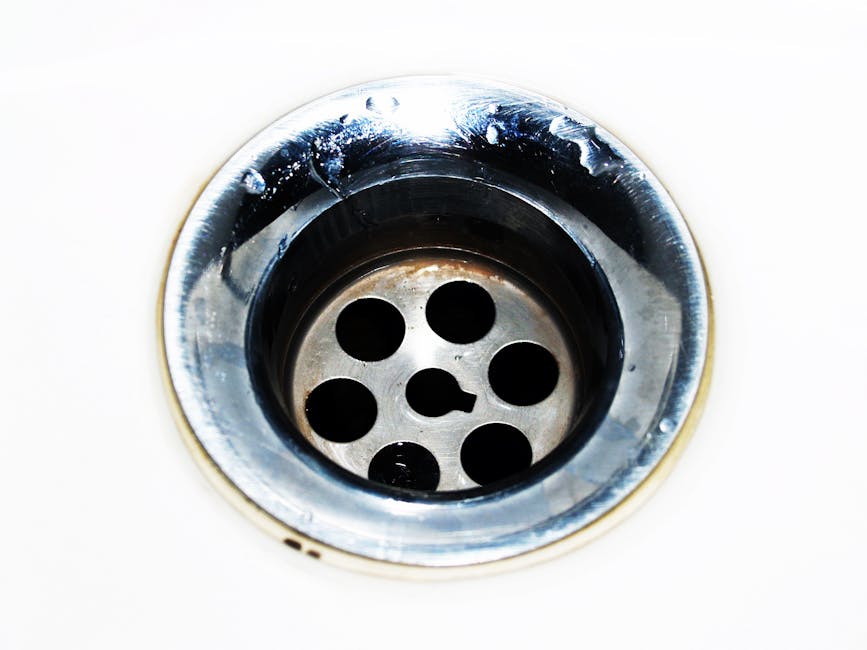
Is your garbage disposal not working right now? Before you grab the phone and spend $200 to $400 on an emergency plumber, take a breath. In most cases, a garbage disposal that hums, clicks, or sits dead silent can be fixed in under 10 minutes with nothing more than a hex wrench, a flashlight, and a little patience. This guide walks you through the exact steps a real technician would try first, so you only call for help when you actually need one.
Why your garbage disposal not working is usually a 10-minute fix
Plumbers will tell you the truth off the record: roughly 8 out of 10 service calls for a garbage disposal not working end with a reset button push or a hex-key unjam. You are not less capable than the person in the van — you just need the same checklist they run through before they even open their toolbox. The five steps below take you from “totally dead” to “running again” without removing a single bolt.
Tools you actually need (and what to skip)
- A 1/4-inch hex (Allen) wrench — usually shipped taped to the disposal itself
- A flashlight or phone torch
- A pair of long tongs or pliers (never your hand)
- A bucket and old towel in case there is standing water
Skip the drain cleaner. Chemical de-cloggers like Drano can corrode the disposal’s metal grinding plate and void your warranty — the EPA’s Safer Choice program lists safer enzyme-based alternatives if you decide to treat the drain afterward.
Step 1: Cut the power before touching anything
This is the rule that separates a quick repair from an ER visit. Flip the switch on the wall to OFF, then either unplug the disposal under the sink or trip the breaker labeled “kitchen” or “disposal” at your panel. A garbage disposal not working can suddenly spring back to life mid-repair if a thermal overload resets while your hand is inside. Treat the unit as live until you have physically removed power.
Step 2: Press the red reset button
Reach underneath the disposal and find the small red (occasionally black) button on the bottom of the motor housing. If the unit overheated — from a stuck piece of bone, a pit, or even a fibrous vegetable peel — this thermal cutoff popped out to protect the motor. Press it firmly until you feel a click. About 40% of every “garbage disposal not working” complaint ends here. Flip the wall switch back on and test.
Step 3: Listen for the hum (the most useful clue)
What the disposal does when you flip the switch tells you what is wrong:
- Total silence: Electrical — outlet, switch, breaker, or internal motor (jump to Step 5).
- Loud hum but no spin: Mechanical jam — the flywheel is stuck (Step 4).
- Slow drain with normal spin: Clog downstream in the P-trap or branch line, not the disposal itself.
The “hum but no spin” symptom is the classic sign that a garbage disposal not working has simply seized on something physical inside the grinding chamber. Good news: you do not need to disassemble anything.
Step 4: Free a jammed flywheel with the hex wrench
Look at the bottom-center of the disposal. You will see a six-sided socket about a quarter-inch wide. Slide your hex wrench in and rotate it back and forth — firmly — until you feel the flywheel break loose and spin a full 360 degrees in both directions. Then shine your flashlight down the drain opening and remove any visible debris with your tongs. Run cold water, flip the switch, and the disposal should kick on cleanly. For a deeper dive on disposal anatomy, the team at This Old House has solid technical walkthroughs.
Step 5: Diagnose dead silence (the electrical check)
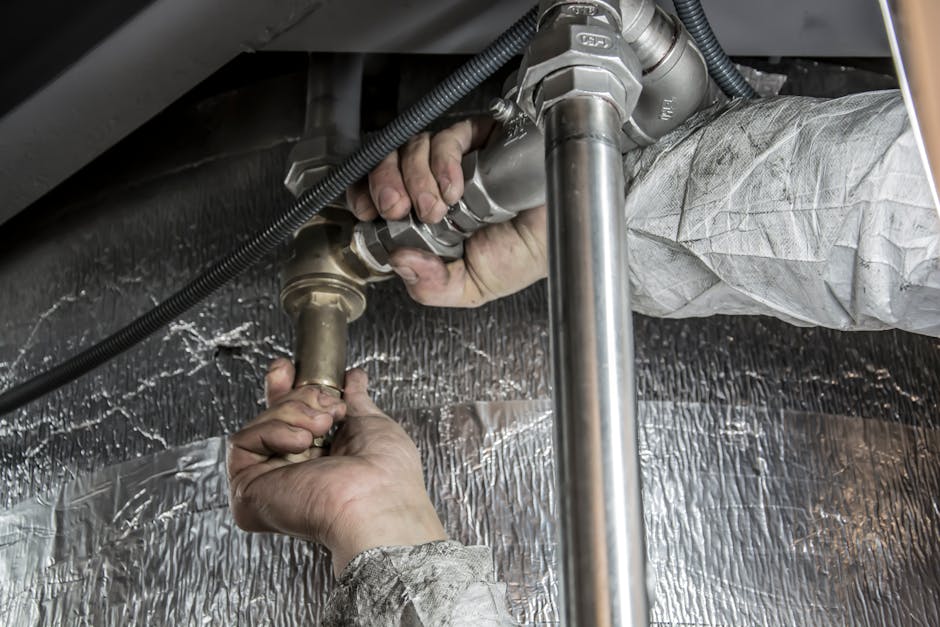
If pressing reset gives you nothing and the unit is completely silent, test the outlet under the sink with a phone charger or lamp. No power means a tripped GFCI — usually combined with the bathroom outlets nearby, so check there too. If the outlet is live but the disposal is still dead after a reset, the internal capacitor or motor is the most likely failure, and a replacement (around $90–$150 for a comparable model) is almost always cheaper than a service call plus labor.
What to never put down a disposal again
Most people end up Googling “garbage disposal not working” because of one of these usual suspects: coffee grounds, eggshells, pasta, rice, potato peels, celery, onion skins, fruit pits, or anything fibrous and stringy. They either glue themselves to the chamber walls or wrap around the flywheel. Use the disposal for soft scraps and rinse aggressively with cold water for 30 seconds after every load.
When you really should call a plumber
Call a pro if you see water leaking from the bottom of the disposal housing (the seals are gone), if you smell burning, or if the unit trips the breaker every time you flip the switch. Those are the three signs that a garbage disposal not working has crossed from “DIY job” into “replace or repair by a licensed pro.” For everything else, the five steps above will save you a chunk of cash.
Related fixes worth bookmarking
If the disposal is sorted but the drain is still slow, you are probably dealing with a separate sink problem — read our DIY guide to fixing a money-pit kitchen sink. While you have the hex wrench out, it is also worth knowing how to stop a running toilet in 15 minutes and what to do in the first 10 minutes of a burst pipe or water leak. Bookmark those and your next plumbing scare gets a lot smaller.
Final word
Ninety percent of the time, a garbage disposal not working is a stuck flywheel or a tripped reset button — literally a one-minute fix once you know where to push. Keep a hex wrench taped under your sink, run cold water every time you use the unit, and you will go years between any real service calls. And the next time someone tells you the disposal is “broken,” you can confidently say: let me check the red button first.

Aiden Brooks writes coverhub.fun’s home-appliance coverage, with a focus on the everyday breakdowns that prompt a $200–$300 service call when a no-cost fix would have worked just as well. His background in residential appliance service shows up in the structure of his guides: open with the failure pattern, walk through the cheapest checks first, and only get to parts replacement after every easy win has been ruled out.
Aiden focuses on dishwashers, garbage disposals, washing machines, dryers, and refrigerators — the workhorses that quietly drain household budgets when they go sideways. His recurring theme is that most ‘broken appliance’ verdicts are really a clogged filter, a kinked drain hose, a tripped thermal switch, or a piece of glass jammed in an impeller that sixty seconds with a flashlight can find. When a unit really is at end of life, he’ll tell you that too — and what to look for in a replacement.
Aiden also runs the appliance-safety editorial pass at coverhub.fun: every guide on his byline is reviewed against manufacturer safety guidance before going live. Reach him at editorial@coverhub.fun.