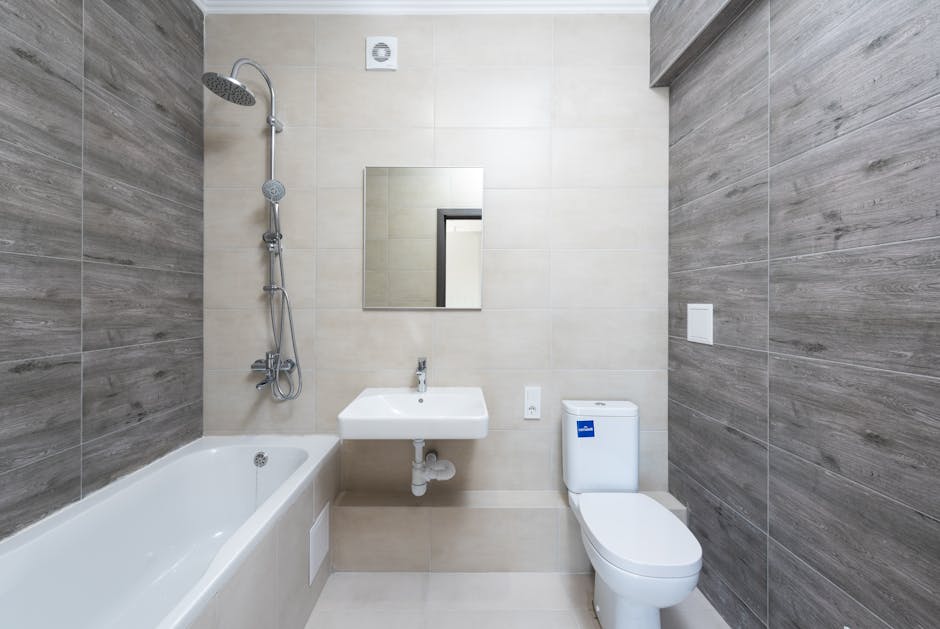
If your toilet tank not filling after a flush is the reason the bowl is empty and the next flush feels like a sad gurgle, the good news is this almost never means a busted fill valve and a $180 plumber visit. A toilet tank not filling is one of the most common American bathroom complaints, and in over 80% of cases it comes down to one of four cheap, fixable problems you can diagnose yourself in under 30 minutes with a flashlight and a flat-head screwdriver.
I have walked through this fix on hundreds of homeowner service calls. The pattern is almost always the same — and the parts you might need cost between $4 and $18 at any hardware store. Before you pay a plumber for a 20-minute job, work through the steps below in order. Most readers stop at step two.
Why a toilet tank not filling is a 30-minute fix, not a plumber call
A modern American toilet is one of the simplest mechanical systems in your house. There is a water supply line at the wall, a shutoff valve, a fill valve inside the tank, a float that tells the fill valve when to stop, a flush valve (the big rubber flapper at the bottom of the tank), and a refill tube that drips water into the overflow pipe so the bowl refills after each flush. That is it. There are no electronics, no motors, no sensors. When a toilet tank is not filling, the fault is in one of those six parts, and five of them are visible the moment you lift the lid.
According to the U.S. Environmental Protection Agency, the average home loses about 9,400 gallons of water per year to easily fixable plumbing leaks — and the toilet is the number-one culprit. A toilet tank not filling correctly is often the early warning sign of one of these slow leaks, which is why you want to catch it now.
What you will need before you start
- A flashlight
- A flat-head screwdriver
- A pair of channel-lock or adjustable pliers
- An old towel (to soak up the half-inch of water you might spill)
- A small bucket
Optional, in case you need a part: a universal Fluidmaster 400A fill valve ($9 at any hardware store), a refill tube and clip ($3), and a Korky or Fluidmaster flapper ($5). You almost certainly will not need all three.
Step 1: Confirm the shutoff valve is fully open
This sounds insulting, but it is the single most common reason for a toilet tank not filling: a partially closed shutoff valve under the bowl. Maybe a cleaner bumped it, maybe someone closed it last winter and only half-opened it again. Reach behind the toilet, find the small football-shaped knob on the supply line coming out of the wall, and turn it counter-clockwise until it stops. Then flush.
If the tank now fills in 45–60 seconds and stops at the waterline marked inside the tank, you are done. If it fills extremely slowly or not at all, move on.
Step 2: Inspect the fill valve and float
Lift the tank lid (set it gently on a folded towel — porcelain chips easily). On the left side of the tank you will see a tall vertical assembly with a cup or ball on it. That is the fill valve. The cup or ball is the float. When the water level in the tank rises, the float rises with it and shuts off the fill valve.
Common float failures that cause a toilet tank not filling correctly:
- The float is stuck at the top. The valve thinks the tank is already full. Push the float down with your finger — if water rushes in, the float arm is stuck against the tank wall or twisted around the refill tube. Reposition it and you are done.
- The float is set too low. Look for a thumbscrew or plastic clip on the float rod. Turn the screw clockwise (or slide the clip up) to raise the float, which raises the shutoff point and lets the tank fill higher. The waterline should be about 1 inch below the top of the overflow pipe.
- The fill valve is clogged with sediment. Turn the shutoff valve off, flush to empty the tank, unscrew the cap on top of the fill valve, place an upside-down cup over the open valve, and turn the water back on for 5 seconds to blast sediment out. Re-cap.
Step 3: Check the refill tube position
The refill tube is the small flexible plastic tube that runs from the top of the fill valve over to the overflow pipe (the big vertical tube in the middle of the tank). Its job is to send a trickle of water into the bowl during the fill cycle so the bowl water level returns to normal.
If this tube has fallen off the overflow pipe, or someone pushed it down inside, the bowl will not refill even though the tank itself looks fine. You will think the toilet tank is not filling when in reality only the bowl is empty. The fix: clip the tube to the lip of the overflow pipe with the included plastic angle clip — it should point down into the pipe, not below the waterline.
Step 4: Inspect the flapper and flush valve seal
If your tank refills and then slowly empties on its own over the next 20 minutes, the flapper at the bottom is leaking water back into the bowl and the fill valve keeps cycling on. A toilet tank not filling all the way and constantly running is the classic flapper symptom.
Turn off the water, flush to empty, and look at the rubber flapper. If it is warped, mineral-crusted, or discolored, replace it. A universal Korky or Fluidmaster flapper costs about $5 and snaps onto the flush valve ears in 60 seconds. This Old House has a great visual walk-through if you want to see it on video before you start.
Step 5: When the toilet tank not filling problem is actually low house pressure
Open the cold tap at the bathroom sink. If the stream is weak, the issue is not your toilet at all — it is whole-house water pressure, and you can walk through the low water pressure diagnostic here. If a single faucet is fine but the toilet is starved, the supply line itself may be kinked behind the tank or the shutoff valve is partially seized internally. Both are 10-minute swaps.
Related fixes you can do today
While you have the lid off the tank, look for other slow problems. A toilet that keeps cycling on by itself is the same flapper issue described above — see our running toilet 15-minute fix for the full breakdown. If the flush itself is weak in addition to the toilet tank not filling all the way, jump to the toilet won’t flush guide next.
When to actually call a plumber
Stop the DIY route and call a pro if:
- You shut off the supply valve and water still drips out of the supply line at the wall — the wall stub is failing.
- The tank itself has a visible crack — porcelain cannot be reliably patched.
- You replaced the fill valve and flapper and the bowl still empties on its own — the wax ring under the toilet base may be leaking into the floor.
For everything else, a toilet tank not filling is a 30-minute, sub-$20 fix. Work through the four steps above in order, and you will almost certainly save the $180 service call.

Marcus Reed is coverhub.fun’s lead contributor on home plumbing and water-system repair. Drawing on more than a decade of hands-on residential service work — supply lines, drains, fixtures, and the kind of emergency leaks that wake a family up at 2 a.m. — Marcus translates the diagnostic playbook that professionals run on every call into language a homeowner can follow at the kitchen sink. His guides walk through the safe, fast checks worth doing before you reach for the phone, plus the exact red flags that mean it really is time to bring in a licensed plumber.
He focuses on the high-cost emergencies that most often catch people unprepared: burst pipes, running toilets that quietly inflate water bills, kitchen drains that back up at the worst time, and shut-off valves no one can find when water is already on the floor. Every guide is written from a ‘try this first’ mindset, with clear safety stops along the way.
Marcus is also the editorial fact-checker for coverhub.fun’s plumbing category. If you have a fix that worked at your house and isn’t covered yet, or a correction on something that is, email editorial@coverhub.fun and he’ll take a look.