
This article is educational and does not constitute professional construction, structural, or financial advice. Siding is the building’s weather barrier, and a poor install can trap moisture behind the wall for years before you notice. Local codes and permit rules vary; hire a licensed installer for the actual work.
Siding replacement cost is the kind of number homeowners avoid until peeling paint, warped panels, or a soft spot near the foundation forces the decision, and by then the job is urgent instead of planned. A full siding replacement on an average single-family home runs roughly $8,000 to $25,000 in 2026, or about $4 to $16 per square foot installed, with premium materials and difficult two-story walls pushing well past that. The spread is this wide because the price is really several bills stacked behind one wall: the siding material itself, the labor to tear off and haul away the old cladding, the house wrap and flashing that go on before the new panels, and whatever rotted sheathing or moisture damage the crew uncovers once the old siding comes down. This guide breaks each of those apart so you can read a quote the way an experienced installer does, and tell an honest bid from a lowball one.

Siding replacement cost at a glance: typical 2026 ranges
Prices swing by region, home size, wall height, and material, but most projects fall inside predictable bands. Installers price by the square, where one square equals 100 square feet of wall, and an average home has 15 to 25 squares. Vinyl siding usually runs $4 to $9 per square foot installed, engineered wood lands around $6 to $12, fiber cement commonly runs $8 to $14, and natural wood or metal can climb to $16 or more. A typical 1,800-square-foot home with 2,000 square feet of wall might cost $9,000 to $18,000 for a mid-grade material, and the same house in premium fiber cement or cedar can approach or exceed $30,000.
Treat any single national average with suspicion. The same siding costs one price on a simple single-story ranch with sound sheathing and far more on a tall, complex two-story with lots of corners, dormers, and hidden rot. The material is identical; the job is not. Height, wall complexity, and the condition of what sits behind the old panels move the total more than the brochure price of the siding ever does.
The components hiding inside every siding quote
1. The siding material
Material drives both price and lifespan. Vinyl is the budget-friendly default, low-maintenance and widely available, and it suits most homes. Engineered wood and fiber cement cost more but resist impact, hold paint longer, and stand up better to weather and fire. Natural wood and metal sit at the top on both price and appearance, with wood demanding regular upkeep to avoid the very rot that drives full replacements. Material is often 40 to 60 percent of the installed price, so the cladding you choose moves the total more than almost anything else on the estimate.
2. Tear-off and disposal
Removing the old siding and hauling it away is real labor, and it is priced separately from the new install. A single layer of vinyl comes off quickly; multiple layers, stucco, or old asbestos-containing cladding in a pre-1980 home cost far more because of careful handling and disposal rules. Reputable crews never simply side over failing panels, because that hides moisture problems and voids most manufacturer warranties.
3. House wrap, flashing, and trim
Behind the panels sits the part that actually keeps water out: a weather-resistive barrier, flashing around every window and door, and trim at corners and edges. Skimping here is the single most common way a cheap job fails. Proper flashing detailing is exactly what the water-management guidance from the U.S. Department of Energy at energy.gov emphasizes, and it is worth confirming a bidder includes new wrap and flashing rather than reusing the old.
4. Site surprises
Rotted sheathing, water-damaged framing, failed old flashing, and insect damage all add real money once the old siding is off and the wall is exposed. A reasonable contingency is 10 to 20 percent, more on an older home or where you already see soft spots, bubbling paint, or past leaks near windows and the foundation.
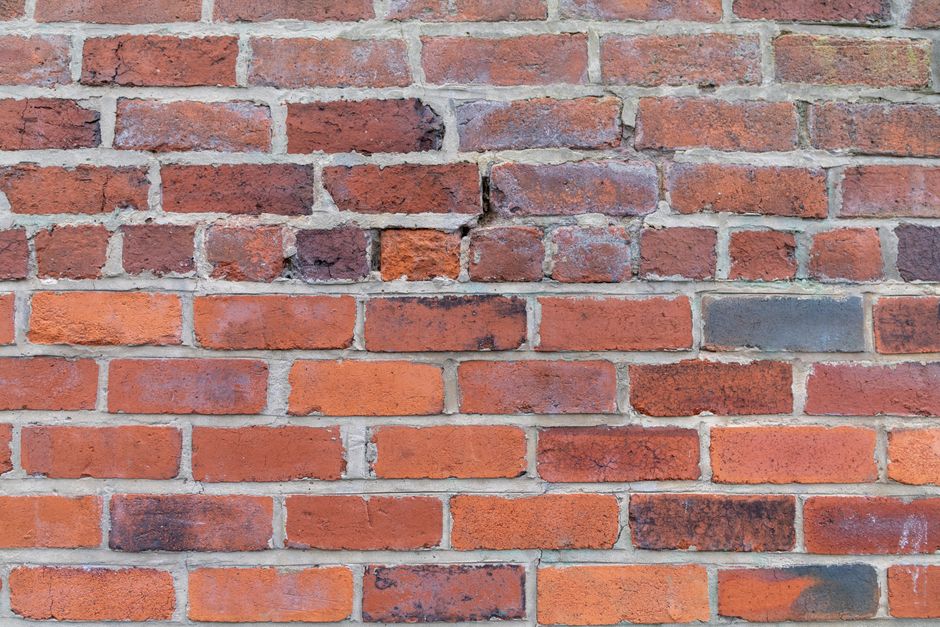
Vinyl, fiber cement, or wood: how the material choice moves the number
Vinyl is the cheapest path on installation day and the lowest-maintenance, but the longest lifespans and the best curb appeal usually come from fiber cement, engineered wood, or cedar at a higher price. Fiber cement costs more upfront, resists fire, rot, and impact, and often pays itself back through durability and a long paint life. Wood sits at the top on appearance but demands upkeep to avoid moisture damage, while metal is durable and modern but dents and can cost as much as premium composites. Cheaper does not always mean lower lifetime cost, since a bargain panel that warps or fades in ten years is rarely a better deal than a quality product that lasts thirty.
The choice also touches the rest of your home’s envelope. New siding is the natural moment to add or upgrade wall insulation and house wrap, which reduces the heating and cooling load, and our guide to furnace replacement cost explains how a tighter envelope can let you right-size, rather than oversize, a new unit. Siding, windows, and roof all share the same water-management logic, so if windows are also aging it is worth reading our breakdown of window replacement cost before committing, since bundling exterior work can save on setup and access.
Repair or replace: when spending the money makes sense
Not every tired wall needs full replacement. A few cracked vinyl panels, a small area of failed caulk, or one section of loose trim is often fixable for a fraction of a whole-house job, and on siding otherwise in good shape that targeted repair is usually the rational call. The math flips when panels are widely warped, faded, or brittle, when you find rot or moisture behind multiple sections, when old paint is failing across the whole house, or when repair would cost more than about a third of replacement. Age matters because cladding that has failed in one wall has told you the rest may be close behind.
The same repair-or-replace logic governs the rest of your exterior. Our guide to roof replacement cost walks through the identical tradeoff for the surface above your walls, where a single failed flashing rarely justifies a whole new roof. Water almost always enters at transitions, roof-to-wall, wall-to-window, wall-to-foundation, so the smartest repairs target those seams first. The Insurance Information Institute explains how water and weather-related home claims actually work at iii.org, worth reading before you assume hidden wall damage is covered.
Hidden costs people forget to budget
- Permits and inspections: $100–$500 in most jurisdictions; some areas require them for any exterior cladding change or in historic districts.
- Sheathing and framing repair: rotted wood is common and rarely visible until the siding is off. Ask how it is priced before you sign.
- Old material handling: asbestos-containing cladding or lead paint in pre-1980 homes triggers required safe-work practices that add labor and containment cost.
- House wrap and flashing: new weather barrier and flashing should be line items, not assumptions; reusing old wrap is a false economy.
- Trim, soffit, and fascia: matching new trim, corner posts, and fascia to finish the job cleanly is often a separate line.
- Scaffolding and access: two-story walls, steep grades, and tight lot access carry real setup surcharges.
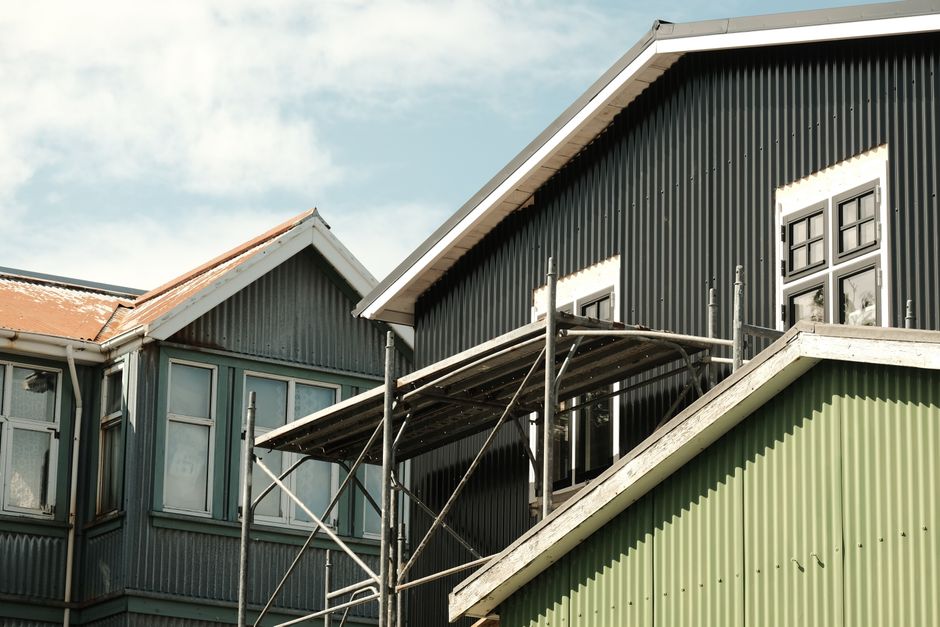
How to read and compare siding quotes like a pro
Get at least three written, itemized quotes and compare them line by line, not bottom line by bottom line. A quote that looks cheaper but omits tear-off, disposal, new house wrap, flashing, and a rot allowance is not cheaper, it is incomplete, and the gap reappears as a change order mid-project. Confirm in writing: the siding brand, line, and color; whether tear-off and disposal are included; whether new weather barrier and flashing are installed; the per-unit price for replacing rotted sheathing; whether trim, corners, and fascia are covered; who pulls the permit; the labor warranty separate from the manufacturer’s; and what happens price-wise if the crew finds rot. Ask each bidder the same question, “what could make this cost more once you pull the old siding off?” and note who answers specifically versus who waves it off.
Timing helps too. Bundling siding with other exterior work usually earns a better rate than doing each separately, and scheduling in the slow season can beat peak-season pricing. Some energy-efficiency upgrades that ride along with new siding, like added wall insulation, may qualify for utility rebates or tax credits, so ask each bidder which parts of their scope qualify. If several walls are failing, getting quotes now, while they still keep the weather out, costs nothing and converts a future emergency into a planned project you control.
When to call a licensed installer (and when it’s not optional)
Handy homeowners sometimes replace a few ground-floor vinyl panels where the wall behind is sound. But a full-house replacement, anything involving two-story walls, structural sheathing repair, asbestos-era cladding, or lead paint, is firmly licensed-professional territory. Siding installed wrong traps air and water behind the wall, where the damage hides for years and can void the manufacturer’s warranty. If your panel or electrical service also needs attention for exterior fixtures, our companion guide to budgeting for a panel upgrade covers what that adds.
The bottom line on siding replacement cost: budget $4 to $16 per square foot installed for a typical scheduled replacement, plan for materially more for premium materials, tall or complex walls, or heavy tear-off, and pad whatever number you settle on by 15 percent for the rot the old siding is hiding. The homeowners who feel ripped off are rarely the ones who paid the most, they are the ones who did not know what the number was made of, or who took the cheapest bid and got new panels over a wall that needed repair first. The cheapest siding job is the one you plan with full information, before the weather forces your hand.
Disclaimer: This article is for general informational purposes only and does not constitute professional construction, structural, financial, or legal advice. Prices cited are broad national estimates that vary significantly by region, home, material, and market conditions, and they change over time. Siding is the building’s primary weather barrier, and a failed install can cause hidden moisture damage if handled improperly. Always check local code and permit requirements, and hire a licensed installer or qualified professional for the actual work.

Marcus Reed is coverhub.fun’s lead contributor on home plumbing and water-system repair. Drawing on more than a decade of hands-on residential service work — supply lines, drains, fixtures, and the kind of emergency leaks that wake a family up at 2 a.m. — Marcus translates the diagnostic playbook that professionals run on every call into language a homeowner can follow at the kitchen sink. His guides walk through the safe, fast checks worth doing before you reach for the phone, plus the exact red flags that mean it really is time to bring in a licensed plumber.
He focuses on the high-cost emergencies that most often catch people unprepared: burst pipes, running toilets that quietly inflate water bills, kitchen drains that back up at the worst time, and shut-off valves no one can find when water is already on the floor. Every guide is written from a ‘try this first’ mindset, with clear safety stops along the way.
Marcus is also the editorial fact-checker for coverhub.fun’s plumbing category. If you have a fix that worked at your house and isn’t covered yet, or a correction on something that is, email editorial@coverhub.fun and he’ll take a look.