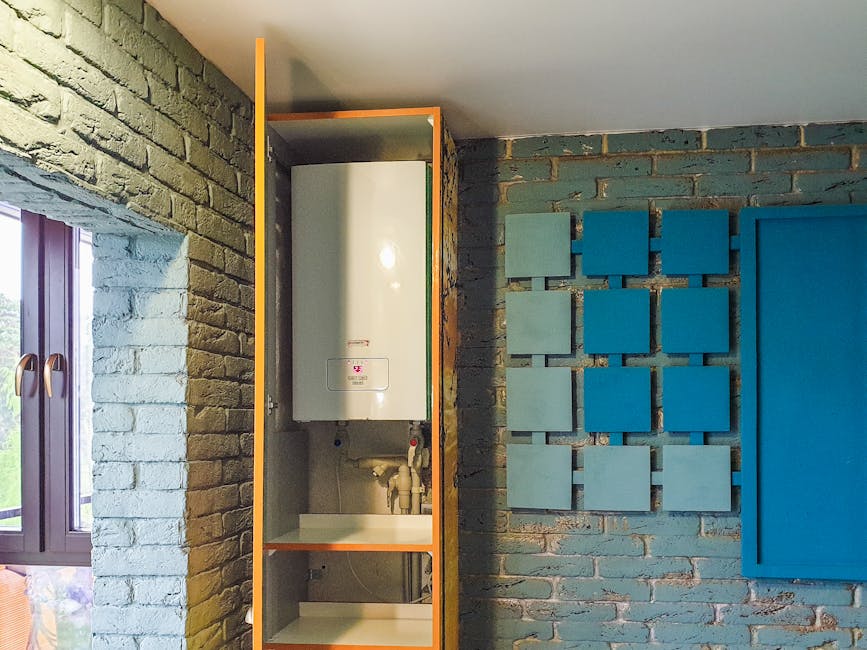
Is your water heater no hot water situation turning the shower into a cold-shock therapy session? Before you dial a plumber and brace for a $300 to $500 emergency call, give yourself 20 minutes. Most of the time, a tank that’s gone cold is fixed with a pilot relight, a tripped breaker reset, or a thermostat nudge — none of which requires a single tool from the truck. This guide walks you through the exact six-step diagnostic a service tech runs before they ever look at parts.
Why your water heater no hot water problem is usually a 20-minute fix
Service techs will tell you the truth: the majority of “water heater no hot water” calls end with a pilot light relight on gas units or a single button push on electric units. A failed tank that needs replacement makes a very specific set of sounds, leaks visibly from the base, or trips the breaker every time you reset it. Everything short of those three red flags is almost always solvable from your basement or utility closet with no parts needed.
Tools you actually need
- A long-reach lighter or stick lighter (gas tanks only)
- A flathead screwdriver
- A flashlight
- Work gloves — the pipes will be hot
- Your phone, with the camera ready to photograph the model plate
Step 1: Identify gas vs electric (this changes everything)
Look at the bottom of the tank. A flexible copper or yellow gas line means you have a gas water heater — you’ll see a small box near the base with a knob marked OFF / PILOT / ON. An electric water heater has thick black or grey conduit coming out of the top and two access panels on the side of the tank. The diagnostic path for water heater no hot water diverges sharply between the two, so confirm before you touch anything.
Step 2: Gas heater — relight the pilot
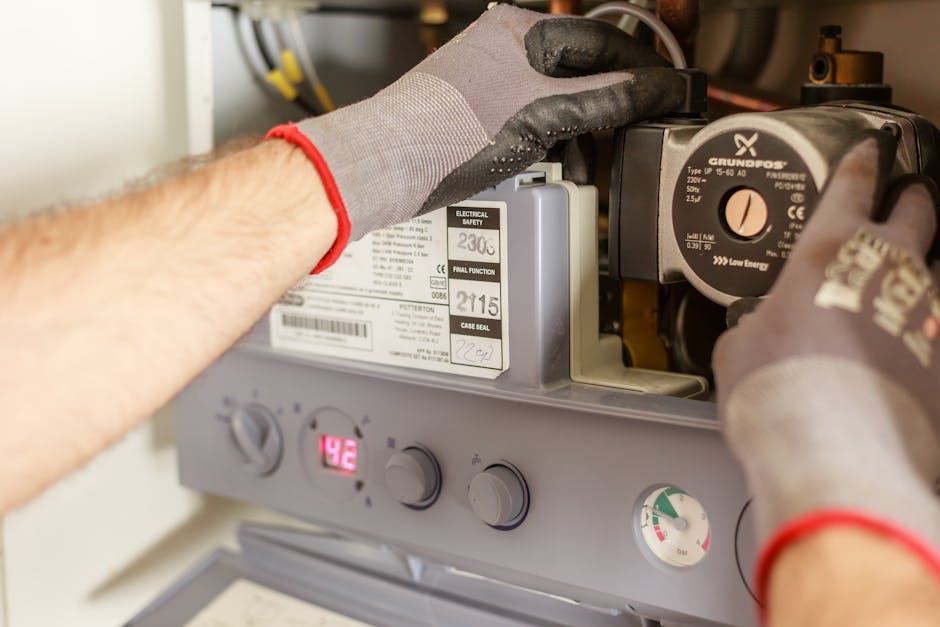
If you have a gas unit, a blown-out pilot is the single most common cause of a water heater no hot water complaint. Turn the gas knob to OFF and wait five full minutes — this is critical because residual gas needs to dissipate before you introduce a flame. Then turn the knob to PILOT, press and hold it down while you click your lighter into the small viewing window at the bottom. Keep the knob held for another 30 seconds after the pilot catches so the thermocouple warms up, then turn the knob to ON. Hot water should be flowing within 30 minutes.
If the pilot relights but dies the second you release the knob, your thermocouple is failing — a $15 part and a 20-minute DIY replacement that beats a $250 service call. For specific model-by-model instructions, manufacturer support sites like Rheem’s water-heater support page walk through exact procedures.
Step 3: Electric heater — check the breaker and reset button
For electric units, the first stop is your main electrical panel. Find the double-pole breaker labeled “Water Heater” — it controls 240 volts and looks like two breakers welded together. If it’s tripped, flip both sides fully to OFF, then firmly back to ON. If it trips again immediately, stop and call a pro; that means a shorted heating element, and continuing to reset it can damage the tank.
If the breaker is fine, head back to the tank and pop off the upper access panel (one screw, usually). Fold back the insulation, and you’ll see a small red button near the top thermostat — the high-limit reset. Press it firmly. About a third of every electric water heater no hot water case ends right here. If you’re seeing more electrical weirdness around the house, our guide on why your outlets stopped working is worth a read too.
Step 4: Check (and bump) the thermostat
Every water heater has a thermostat dial — on the gas knob itself, or behind the electric access panels next to the reset button. The factory default is usually about 120°F. If it’s been knocked down to “Vacation” or below 110°F — common after a service visit or a curious kid — you’ll get lukewarm water that feels broken but isn’t. Set it to 120°F (per energy.gov’s water-heater temperature guidance, this is the scald-safe sweet spot) and give the tank 30 minutes.
Step 5: Flush sediment if you’re getting lukewarm or rusty water
If you have heat but it runs out in 60 seconds, the bottom of the tank is buried in mineral sediment — the heating element or burner is wasting energy heating rock instead of water. Turn off power (or set gas to PILOT), close the cold water inlet, attach a garden hose to the drain valve at the bottom, and run the hose to a floor drain or outside. Open the valve, then briefly open the cold inlet to swirl out the sediment. Twenty minutes of this restores capacity in tanks that haven’t been flushed in years.
Step 6: Test the heating element (electric tanks)
If your electric water heater no hot water issue survived the reset and breaker checks, one of two heating elements is dead. Turn power OFF at the breaker. With a $15 multimeter on the resistance setting, unscrew the wires from each element and touch the meter probes to the element terminals. A working element reads 10–30 ohms; a dead one reads 0 or infinity. Replacement elements run $20–$40 and the swap takes about 30 minutes with the tank drained — a Saturday-morning project compared to a $400 service call.
When to actually call a plumber
Call a licensed pro if you see water pooling under the tank (the inner liner has failed and the unit needs replacement), if the breaker trips every time you reset it, if you smell gas at any point, or if the tank makes a sustained banging or popping sound after you’ve already flushed it. Those four signs mean a water heater no hot water complaint has graduated from DIY into a real service ticket — for everything else, the six steps above will save you serious cash.
Bonus: prevent the next cold-shower morning
- Flush the tank once a year — mark it on the calendar with the smoke alarm batteries.
- Test the temperature-pressure relief (TPR) valve annually by lifting the lever briefly.
- Replace the anode rod every 4–5 years; a corroded anode lets the tank rust out years early.
- Keep the area around the heater clear — gas units need air for combustion.
Related quick-fix guides
If the cold-water side of the house is also acting up, our first-10-minutes burst pipe guide tells you exactly what to do before the water meter races. While you’re at it, learn how to stop a running toilet in 15 minutes and what to try on a circuit breaker that keeps tripping — both pair well with this guide for a whole-house quick-fix toolkit.
Final word
Nine times out of ten, a water heater no hot water situation is a pilot light, a tripped breaker, a thermostat bump, or a bed of sediment — not a $1,500 tank replacement. Keep a long-reach lighter and a multimeter near the unit, walk through these six steps in order, and you’ll handle the next cold-shower morning yourself before lunch.

Marcus Reed is coverhub.fun’s lead contributor on home plumbing and water-system repair. Drawing on more than a decade of hands-on residential service work — supply lines, drains, fixtures, and the kind of emergency leaks that wake a family up at 2 a.m. — Marcus translates the diagnostic playbook that professionals run on every call into language a homeowner can follow at the kitchen sink. His guides walk through the safe, fast checks worth doing before you reach for the phone, plus the exact red flags that mean it really is time to bring in a licensed plumber.
He focuses on the high-cost emergencies that most often catch people unprepared: burst pipes, running toilets that quietly inflate water bills, kitchen drains that back up at the worst time, and shut-off valves no one can find when water is already on the floor. Every guide is written from a ‘try this first’ mindset, with clear safety stops along the way.
Marcus is also the editorial fact-checker for coverhub.fun’s plumbing category. If you have a fix that worked at your house and isn’t covered yet, or a correction on something that is, email editorial@coverhub.fun and he’ll take a look.