Is your furnace not blowing hot air on the first cold morning of the season — the blower runs, the vents push air, but the air coming out is room-temperature or worse? Before you book a $250 to $350 HVAC service call, give yourself 20 minutes. A furnace that runs but never warms is one of the most predictable failures in the heating world, and the cause is almost always a clogged air filter, a wrong thermostat setting, a tripped flame sensor, a closed gas valve, or a snuffed pilot — all of which a homeowner can check with a flashlight, a fresh filter, and a careful nose.
Why a furnace not blowing hot air is rarely a dead unit
HVAC techs see this call all winter long, and they’ll tell you the breakdown looks like this: roughly 30% are filthy air filters choking the burner from firing, 20% are thermostat misconfigurations or dead batteries, 15% are dirty flame sensors locking out the burner, 15% are pilot or igniter problems on older units, 10% are closed gas valves or supply issues, and only the remaining 10% are blower motors, control boards, or heat-exchanger faults that need a pro. Walk the seven steps below in order and you’ll almost always land in the cheap, fast DIY zone — usually under 20 minutes from start to warm air.
Tools you actually need
- A flashlight or phone torch
- A fresh furnace air filter sized to your unit (read the side of the old one)
- Fine-grit sandpaper or a clean dollar bill (for the flame-sensor wipe)
- A Phillips screwdriver and a quarter-inch nut driver
- Fresh AA batteries if your thermostat is battery-powered
Step 1: Check the thermostat — the single most embarrassing miss
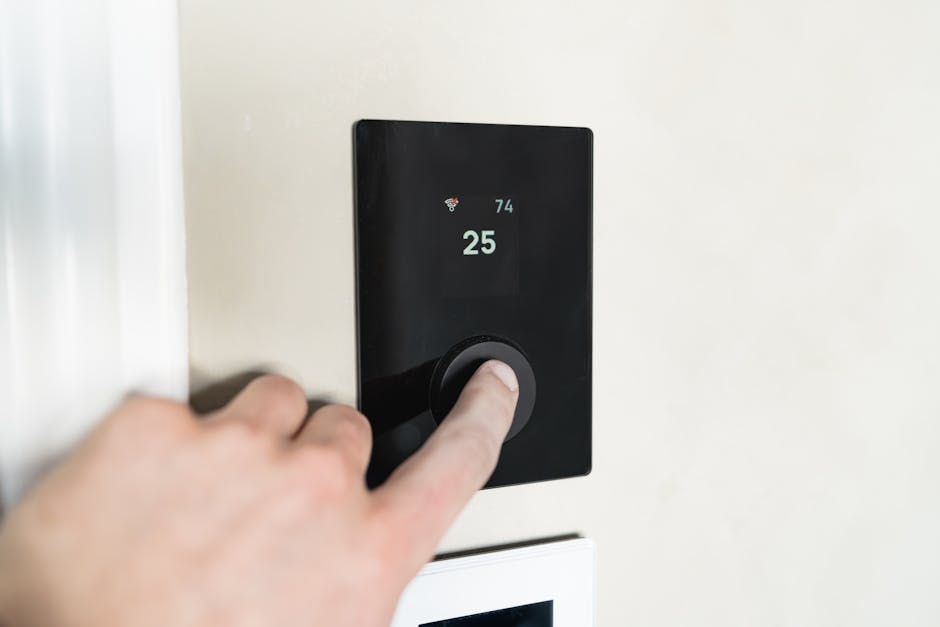
This sounds obvious until you’ve watched a tech bill someone $120 to flip a switch. Confirm the thermostat is set to HEAT (not COOL or OFF), the fan is on AUTO (not ON — otherwise it blows room-temperature air between burn cycles, which mimics a furnace not blowing hot air exactly), and the target temperature is at least 5°F above the current room temperature. Swap the batteries even if the screen looks fine — a low-battery thermostat will display normally but fail to call for heat. If you have a smart thermostat, the U.S. Department of Energy’s official thermostat guidance walks through scheduling pitfalls that catch even experienced homeowners.
Step 2: Swap the air filter — the second biggest fix
This single step solves a third of all furnace not blowing hot air calls outright. A clogged filter starves the burner of airflow, and modern furnaces respond by either short-cycling (burner lights, overheats, shuts off, blower keeps running cool air) or by failing to light entirely on a high-limit safety lockout. Pull the filter, hold it up to a light, and if you can’t clearly see the bulb through it, replace it. Filters cost $5 to $20 and the swap is literally one minute. While you’re there, write today’s date on the new filter with a sharpie — you’ll want to know.
Step 3: Confirm the power and gas supply
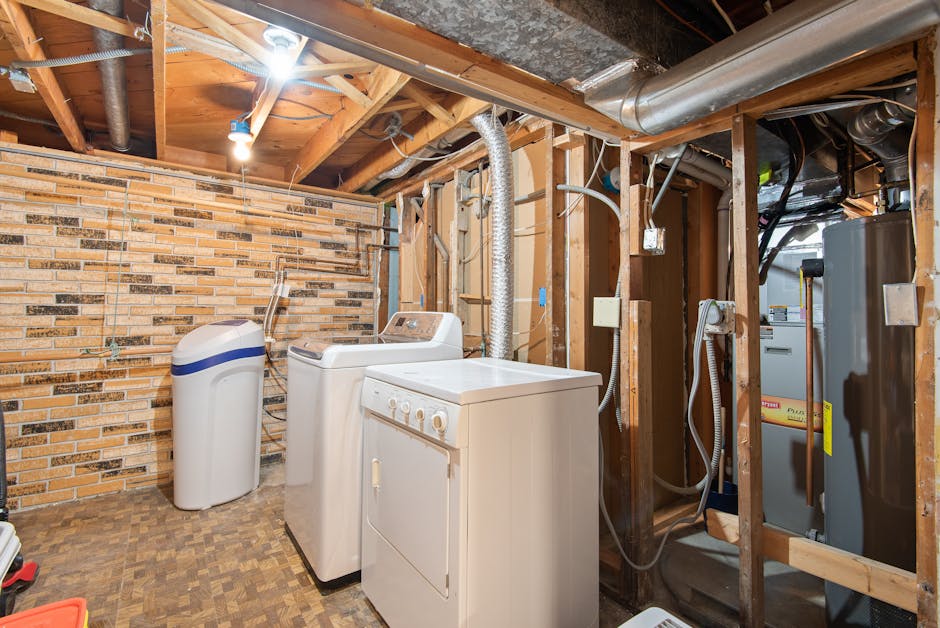
Furnaces have a wall switch that looks exactly like a regular light switch (often labeled or red) somewhere near the unit. Someone — a kid, a houseguest, a paint contractor — absolutely turns this off by mistake. Confirm it’s ON. Next, check the breaker panel for a tripped furnace breaker and reset it firmly. For a gas furnace, follow the gas line from the unit to the shut-off valve (a yellow or red handle on the pipe) and confirm the handle is parallel to the pipe (open). A furnace not blowing hot air with no gas supply will spin its blower forever and never warm.
Step 4: Look at the burner through the sight glass
Most furnaces have a small glass or plastic window on the burner compartment. Set the thermostat 10 degrees above room temp to trigger a heat call, then watch through the sight glass. You should hear the inducer fan spin up, see the igniter glow orange, hear a soft “whoomph” as gas lights, and see a row of steady blue flames. If the burner lights and then dies after 3 to 5 seconds, the flame sensor (Step 5) is dirty. If you see yellow or orange wavering flames instead of blue, stop and call a pro — that’s a combustion problem and a carbon monoxide risk. The CDC’s carbon monoxide safety guidance covers symptoms to recognize before they become serious.
Step 5: Clean the flame sensor
If your furnace lights, runs 10 seconds, shuts off, then retries (a pattern called “short-cycling on flame failure”), the flame sensor is almost certainly the issue. It’s a thin metal rod sitting in the flame path that confirms the gas actually lit; coated in soot or oxidation, it can’t sense the flame and the control board shuts gas off as a safety. Kill power to the furnace at the wall switch, pull the single-screw mount, lift the sensor out, and gently buff it with fine sandpaper or even a folded dollar bill until the metal shines. Reinstall, restore power, and your furnace not blowing hot air problem is usually gone for the rest of the season.
Step 6: Check the pilot light (older units only)
Pre-2010 furnaces often use a standing pilot light instead of an electronic igniter. Find the small access panel near the bottom of the unit and look for a tiny blue flame. If it’s out, follow the relight procedure printed on the inside of the access door exactly — usually press and hold the gas knob in the PILOT position, click the igniter, hold 30 seconds, then release. A pilot that won’t stay lit after relighting points to a bad thermocouple ($15 part, 20-minute swap). A furnace not blowing hot air on an older unit usually starts and ends right here.
Step 7: Check the vents and registers throughout the house
If the furnace fires correctly but specific rooms still get cool air, the problem may not be the furnace at all. Walk every register, confirm the louvers are open, move rugs and furniture off floor vents, and check that the cold-air return grilles aren’t blocked by a couch or stacked moving boxes. A furnace operating with most of its returns blocked overheats and shuts down on its high-limit safety — presenting to you as a furnace not blowing hot air call when it’s really an airflow imbalance.
When to actually call an HVAC tech
Bring in a pro if: you smell gas (leave the house first, then call the gas company, not a contractor), you see yellow flames or soot deposits, the blower won’t start even with a fresh thermostat call, an error code on the control board won’t reset, or the furnace not blowing hot air issue survives all seven steps. Those are the rare cases — for everything else, you’ve just saved a service call and a cold night. Also bookmark the NFPA home heating safety guide before peak season every year.

How to prevent the next furnace not blowing hot air call
- Change the air filter every 90 days at minimum — every 30 days during peak heating season.
- Schedule a professional tune-up once a year, ideally in early fall.
- Keep all supply registers and cold-air returns clear of rugs, furniture, and clutter.
- Test the carbon monoxide detector on the same floor as the furnace at every battery change.
- Wipe the flame sensor at the start of each heating season — it’s the cheapest preventive trick in HVAC.
Related quick-fix guides
If your home comfort system is having a bad week, our companion guide on what to do when your AC isn’t cooling follows the exact same step-by-step structure for summer. And if the failure is hot water rather than warm air, see our walkthrough on a water heater with no hot water. For an electrical-side complaint, the breaker-keeps-tripping guide covers what the furnace’s own circuit may be telling you.
Final word
Nine times out of ten, a furnace not blowing hot air problem is a $5 filter swap, a fresh pair of thermostat batteries, or a two-minute flame-sensor cleaning — not a $350 service visit. Walk these seven steps in order, keep the filter fresh, and the next cold morning won’t catch you off guard.

Elena Park covers home electrical and HVAC topics for coverhub.fun. Her background in residential electrical service work — outlets, breakers, GFCIs, central air conditioning, and the steady stream of small failures that send most homeowners straight to a service tech — shapes the way her guides are written: figure out what’s actually wrong first, then decide whether you’re looking at a $0 reset or a real repair.
Elena focuses on the service calls that most often turn out to be DIY-safe: a single dead outlet that’s really a tripped GFCI two rooms over, a thermostat that’s reading wrong, a clogged AC condensate line, or a frozen evaporator coil masquerading as a dying compressor. She’s just as clear-eyed about the work that does not belong in a homeowner’s hands — anything inside the main electrical panel, any sustained burning smell, any breaker that won’t stay reset.
Each piece on her byline gets a final safety pass before publishing. Suggestions, corrections, and reader questions are welcome at editorial@coverhub.fun.