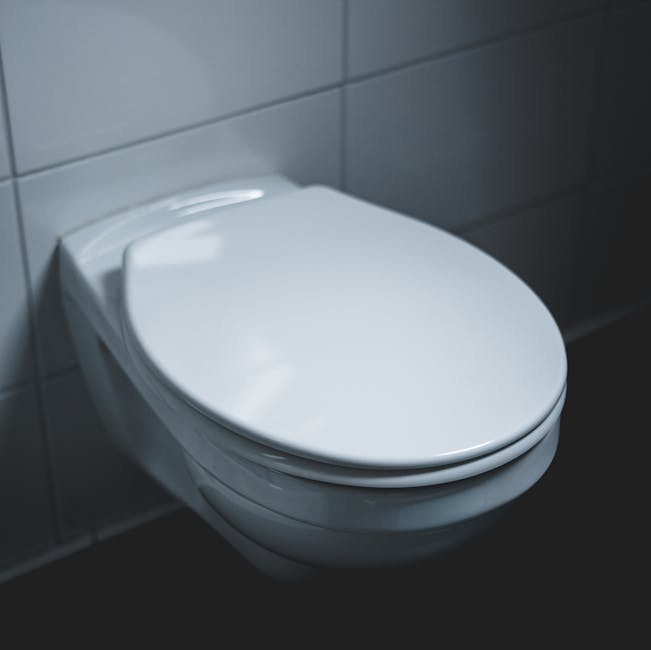
Two years ago I was woken up at 3:30 in the morning by a sound I could not identify. It was a quiet hissing coming from the guest bathroom. I stumbled in and stood there listening. The toilet was running. Not full-on overflowing, just a slow, constant, maddening trickle from the tank into the bowl. I jiggled the handle the way my dad taught me. The running toilet stopped for ten seconds. Then it started right back up.
I went back to bed annoyed. The next morning I jiggled the handle again. Same thing. Stopped for ten seconds. Started running again. This went on for three full weeks before I finally got around to opening the tank lid and looking inside.
Three weeks. At about one gallon every two minutes, that running toilet cost me around 700 gallons of wasted water. My water bill that month was the highest I had ever paid. The actual fix took ten minutes once I finally looked. A $4 part. A flapper. I am writing this article so you do not have to do what I did, which was assume a running toilet was complicated and put it off until the water bill spoke up.
This guide walks you through every common reason a running toilet runs, and how to fix each one. Most are under $10 in parts and take fifteen minutes or less. Save the $200 plumber call for the day you actually need it. For broader context on home water waste, the EPA WaterSense program publishes free data on how much a leaking toilet really costs the average household, and it is worth a glance after you finish here.
High-CPC Keywords: running toilet fix, fill valve replacement cost, toilet flapper replacement, plumber emergency cost, leaking toilet repair.
Part 1: How to Tell If You Actually Have a Running Toilet
This sounds obvious, but it is not. Some toilets cycle briefly on their own and that is normal. A genuine running toilet is one that either never stops, or starts cycling on and off without anyone flushing it. Telling the two apart matters because if your toilet is just refilling normally after a flush, you do not have a problem.
The Hiss Test
Walk into the bathroom when nobody has used the toilet for at least twenty minutes. Stand quietly next to it. Do you hear a faint hiss, a trickle, or any running water sound? If yes, that is a running toilet, and water is leaking from the tank into the bowl somewhere. If the room is dead silent, your tank is sealed and you are fine.
This single test catches about half of the leaks. The other half are too quiet to hear but still cost you money.
The Food Coloring Test (The Classic)
For the quiet leakers, the food coloring test is the move. Open the tank lid carefully (set it on a towel, they crack easily) and drop ten or twelve drops of any dark food coloring into the tank water. Red or blue both work fine. Replace the lid. Walk away for thirty minutes. Do not flush.
Come back and look in the bowl. If the bowl water has any tint of color in it, water is leaking from the tank into the bowl, and you have a running toilet even though you cannot hear it. If the bowl is still clear, you are fine. This is the same test plumbers use, and it is foolproof.
What the Water Bill Tells You
If you suddenly see a $30 or $50 jump in your water bill with no change in usage, a running toilet is the single most common cause in American homes. A toilet leaking at one gallon per minute uses about 43,000 gallons of water a month. That is a real number. That is hundreds of dollars in some markets.
If you skip the at-home tests, just look at the bill. A big unexplained jump means start checking toilets first, before the faucets, before the sprinklers, before anything else.
Part 2: The Flapper Fix (The #1 Running Toilet Cause)
About 80 percent of running toilet calls a plumber takes are nothing more than a bad flapper. Once you know what to look for, you can swap one in five minutes and have the toilet quiet again. The part costs four dollars at any hardware store.
What a Flapper Actually Is
Open the tank. Look down at the bottom. You will see a soft rubber or vinyl disc, usually red or black, attached to a chain and sitting over a drain hole at the bottom of the tank. That disc is the flapper. When you push the flush handle, the chain lifts the flapper, water rushes out of the tank into the bowl, and then the flapper falls back down and seals the hole until the next flush.
When the flapper gets old, two things go wrong. The rubber hardens or warps so it no longer seals flat. Or the rubber goes soft and sticky and lets a slow trickle of water past the seal. Either way, the tank cannot hold water, the fill valve keeps topping it up, and you have a running toilet.
How to Spot a Bad Flapper
With the tank lid off, look at the flapper. Is the rubber discolored, slimy, or warped? Press gently on the top of it with your finger. Does it feel hard like a hockey puck, or does it feel rubbery and soft like a fresh one should? Either extreme is a sign it needs replacing.
You can also do the visual test. Watch the flapper for thirty seconds after a flush. Once the tank refills, the flapper should sit flat against the drain hole and not move at all. If you see it slowly drift up, or you see any water trickling around its edges, replace it.
The $4 Fix Step-by-Step
Turn off the water supply to the toilet. The valve is on the wall behind the toilet, near the floor. Turn the small handle clockwise until it stops. Flush the toilet to drain the tank. Use a sponge or a small towel to soak up the last bit of water at the bottom.
Unhook the chain from the flush lever. Slide the old flapper off the two small pegs on either side of the overflow tube. Take it with you to the hardware store. The flapper aisle has fifty options and the one you want is the one that matches the size and shape you just pulled out. Universal flappers from Korky or Fluidmaster fit almost every American toilet.
Slide the new flapper on the same way. Hook the chain to the lever with maybe half an inch of slack. Too tight and it will hold the flapper open. Too loose and it cannot lift the flapper at all. Turn the water back on. Let the tank fill. Flush once to test. The running toilet should be gone.
Part 3: The Fill Valve Replacement (When the Flapper Wasn’t It)
If the flapper was new and clean, the next suspect is the fill valve. The fill valve is the tall plastic tower on the left side of the tank that controls how the tank refills after a flush. When a fill valve goes bad, it either keeps running and never shuts off (the loudest kind of running toilet), or it shuts off but leaks back into itself slowly. Either way the tank water level cannot stabilize.
Signs the Fill Valve Is the Problem
If the toilet refills, then a few minutes later you hear it run for five seconds and stop, then run again, you have a phantom flush. This pattern almost always points to the fill valve, not the flapper. The valve cannot hold the water level steady so it tops up over and over.
Another sign is when the water in the tank rises above the top of the overflow tube and spills into the bowl. That means the fill valve is not shutting off at the right level. It either needs to be adjusted (free) or replaced (about $15).
The Tools You Need
Adjustable wrench. Small bucket. Sponge. A new universal fill valve from the hardware store. Fluidmaster 400A is the most common one in the country and costs around $12. It fits about 95 percent of toilets made in the last forty years.
Step-by-Step Replacement
Shut off the water at the supply valve behind the toilet. Flush. Sponge out the last inch of water. Place the bucket under the supply line where it enters the tank. Unscrew the supply line from the bottom of the fill valve. Water will drip into the bucket.
Reach inside the tank. The fill valve is held on by a single large plastic nut on the underside of the tank where it meets the supply line. Use the adjustable wrench to loosen that nut, then turn it by hand once it loosens. Pull the old fill valve straight up and out of the tank.
Adjust the new valve to the right height for your tank using the slide mechanism on the side. Drop it into the same hole. Tighten the new plastic nut from underneath, hand tight plus a quarter turn with the wrench. Do not crush it. Reattach the supply line. Reattach the small refill tube that goes into the overflow pipe. Turn the water back on. Let it fill. Adjust the water level using the float on the side of the valve until the water sits about an inch below the top of the overflow tube.
That is it. The running toilet should be quiet now. If you did both the flapper and the fill valve, you have basically rebuilt the inside of your toilet for under $20.
Part 4: The Chain, the Float, and Other 5-Minute Fixes
Some running toilet problems are not the flapper or the fill valve. They are little adjustment issues that take two minutes and zero dollars to fix. Always check these first before you spend money on parts.
The Chain Length Problem
Open the tank and look at the chain that connects the flush lever to the flapper. The right slack is about half an inch when the flapper is closed. If the chain is too long, it gets caught under the flapper and holds it slightly open after every flush. If the chain is too short, it pulls the flapper up at rest and the tank can never seal.
Fix it by moving the chain hook to a different link on the chain. Most flush levers have a small clip you can snap into any link. Get the slack to about half an inch and the running toilet often stops without any new parts at all.
The Float Adjustment
The float is the part that tells the fill valve when to stop adding water. Older toilets have a big plastic ball on a horizontal arm. Newer toilets have a cup that slides up and down the fill valve. Either way, the float controls the final water level.
If the water level is too high, water spills into the overflow tube continuously and you have a running toilet by definition. Bend the float arm slightly downward (on old-style ballcock setups) or pinch the spring clip and slide the cup down (on modern setups) so the water shuts off about an inch below the top of the overflow tube.
The Flush Handle and Lift Arm
If the metal lift arm inside the tank is bent or rusted, it can hold the chain partly up and prevent the flapper from seating fully. Replacement flush handles cost about $7 and screw in from outside the tank in two minutes. While you are at it, give the inside metal arm a wipe with a rag dipped in white vinegar to remove the buildup that can make it stick.
Part 5: The Tank-to-Bowl Bolts (When the Leak Is Outside the Tank)
If the water on the floor is the problem, not water trickling inside the bowl, you are dealing with a different kind of running toilet leak. Wet floors around the base of the toilet point to either tank-to-bowl bolts, the supply line, or the wax ring under the bowl.
How to Tell Where the Floor Leak Is Coming From
Dry the area around the base of the toilet with a towel. Flush once. Watch carefully. If water appears at the back where the tank meets the bowl, the tank-to-bowl gasket or bolts are leaking. If water appears on the side where the supply line connects, the supply line is the culprit. If water seeps from the base of the toilet onto the floor, the wax ring underneath is the problem and that is a bigger job.
Fixing the Tank-to-Bowl Bolts
Shut off the supply, flush, sponge out the tank. Unscrew the two long brass bolts that go down from inside the tank through the back of the bowl. Lift the tank straight up off the bowl. Replace the spongy round gasket between them with a new one (a $5 universal tank-to-bowl kit covers it). Replace both bolts and their rubber washers. Reseat the tank. Tighten the bolts evenly side to side, just snug, not crushed. Turn the water back on and check for leaks.
When the Wax Ring Is the Problem
If the water is coming up from under the base of the bowl, the wax ring that seals the bowl to the floor flange has failed. Replacing it means pulling the entire toilet up. This is doable for a confident DIY person, takes about an hour, and the part is $4. But if you are not sure about that level of plumbing work, this is the one to call a plumber for. Replacing a wax ring incorrectly can lead to a sewer gas leak, which is a smell you do not want in your house.
Part 6: When to Call a Plumber (And What It Costs)
For 90 percent of running toilet problems, the steps above will solve it. But there are a few signs you cannot DIY, and you need a plumber.
When You Should Call a Pro
If you see a hairline crack in the porcelain of the tank or bowl, that toilet is on borrowed time and needs to be replaced, not patched. If the toilet rocks on the floor when you sit on it, the flange underneath is broken and that is plumber territory. If a sewer smell comes up from the toilet even when it is not running, the wax ring or vent stack needs work. And if you have already replaced both the flapper and the fill valve and the toilet is still a running toilet, something in the tank or the flush valve seat itself is damaged and a plumber should diagnose it.
What a Plumber Should Cost You
Standard plumber rates for non-emergency toilet work are $80 to $200 per hour in most of the country, with a one-hour minimum on a service call. Common bills:
- Diagnose and fix a running toilet: $100 to $250
- Replace a fill valve and flapper: $125 to $275 (parts plus labor)
- Replace a tank-to-bowl gasket: $150 to $300
- Replace a wax ring: $150 to $400
- Replace a whole toilet (parts and install): $400 to $800
Compare that to the $4 flapper and $15 fill valve you can install yourself. The math is brutal in your favor when you take the half hour to do it. If you found this guide useful, our companion dead outlet troubleshooting guide and our first-ten-minutes burst pipe checklist follow the same panic-moment DIY approach. The kitchen sink DIY guide covers the other plumbing room every homeowner deals with.
A running toilet feels like a small problem until you see the water bill. By then you have lost hundreds of gallons and tens of dollars for a fix that costs four dollars and ten minutes of your time. Walk through Parts 1 through 4 in order. Most readers will find the answer is the flapper. The few who do not will find it in the fill valve or a chain adjustment. Save this article in your phone bookmarks the day you hear that hissing at 3 a.m., open the tank, and start with the flapper. For more general home plumbing background, the Plumbing-Heating-Cooling Contractors National Association publishes a free homeowner library that pairs well with these guides.

Marcus Reed is coverhub.fun’s lead contributor on home plumbing and water-system repair. Drawing on more than a decade of hands-on residential service work — supply lines, drains, fixtures, and the kind of emergency leaks that wake a family up at 2 a.m. — Marcus translates the diagnostic playbook that professionals run on every call into language a homeowner can follow at the kitchen sink. His guides walk through the safe, fast checks worth doing before you reach for the phone, plus the exact red flags that mean it really is time to bring in a licensed plumber.
He focuses on the high-cost emergencies that most often catch people unprepared: burst pipes, running toilets that quietly inflate water bills, kitchen drains that back up at the worst time, and shut-off valves no one can find when water is already on the floor. Every guide is written from a ‘try this first’ mindset, with clear safety stops along the way.
Marcus is also the editorial fact-checker for coverhub.fun’s plumbing category. If you have a fix that worked at your house and isn’t covered yet, or a correction on something that is, email editorial@coverhub.fun and he’ll take a look.