A washing machine vibrating hard enough to walk across the floor or bang the cabinet is alarming, but it almost never means the machine is ruined — and you can usually stop the shaking in about 20 minutes before you call an appliance repair tech. Vibration is the machine telling you something is off balance, unlevel, or loose. Find which one, and the fix is often free. Here is how to diagnose a washing machine vibrating during the spin cycle and settle it down for good.
Why a washing machine vibrating is rarely a major repair
During the spin cycle a washer can reach 1,000+ RPM, so even a small imbalance becomes a violent shake. The usual causes, in order of how often they appear: an unbalanced or bunched load (about 40%), feet that are not level or locked (about 30%), shipping bolts left in on a new machine (common on recent installs), and worn-out parts like suspension rods or shock absorbers (the minority). Notice that the top three cost nothing to fix — they are adjustments, not parts.
What you actually need before you start
- A bubble level (or a phone level app)
- An adjustable wrench or pliers
- A flashlight
- 10 minutes and a willingness to rock the machine
Safety note: Unplug the washer before reaching behind or under it, and never run it with the lid-lock defeated. For energy and installation basics, the U.S. Department of Energy has a useful overview of how laundry appliances should be set up.
Step 1: Redistribute the load
Stop the cycle and open the lid. If everything is piled on one side — very common with a single heavy item like a comforter or a tangle of towels — spread it evenly around the drum. Run the spin again. If the shaking is gone, an unbalanced load was the entire problem. Going forward, wash bulky items with a couple of smaller pieces to keep the drum balanced.
Step 2: Level the machine
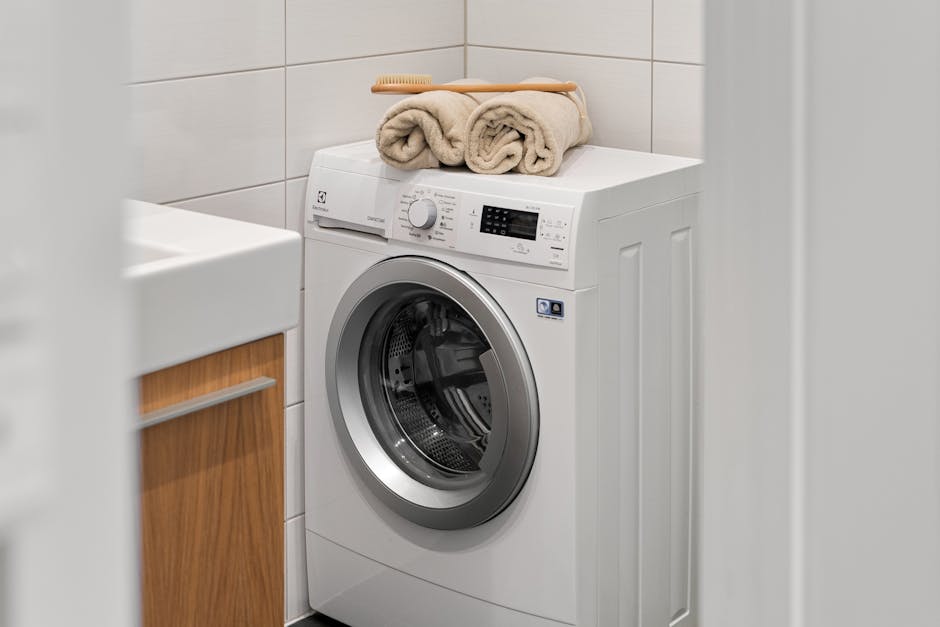
Set your level on top of the washer, front-to-back and side-to-side. Then grab the top corners and try to rock it diagonally. A machine that wobbles on its feet will hammer the floor at high speed. Adjust the front leveling feet up or down until the unit sits dead level and solid, then tighten their lock nuts against the body so they cannot drift. Many machines also have self-leveling rear feet — tip the washer forward gently and set it back down to let them reset.
Step 3: Check for shipping bolts (new installs)
If the washer is recently installed and shakes badly from day one, look at the back panel for shipping bolts — the transit braces that lock the drum during delivery. Left in place, they transmit every bit of drum motion straight into the cabinet. Remove them with your wrench and keep them in case you ever move. This single oversight causes a surprising share of “broken new washer” calls.
Step 4: Tighten the drum and confirm the floor
With the washer unplugged, reach in and push the drum. A little give is normal; a loud clunk or heavy sag can mean worn suspension rods or shock absorbers. Also check the floor itself — a washer on a springy wooden floor amplifies vibration, and a sheet of plywood or anti-vibration pads under the feet can tame it. A vibrating washer often appears alongside other laundry quirks like a dryer that will not spin, so it is worth checking both while you are back there.

Front-load vs top-load: why the shaking differs
The type of washer changes how vibration shows up. Front-load machines spin faster and are more sensitive to being out of level, so a front-loader that walks across the floor is almost always either unlevel, sitting on shipping bolts, or carrying an unbalanced load. They also rely on a counterweight and suspension springs inside the cabinet; if those wear, you get a heavy knock during spin. Top-load machines, especially older agitator models, tend to shake when the load bunches to one side or when the suspension rods that hang the tub stretch out over the years. Knowing which design you have tells you where to look first: leveling and load balance for both, internal suspension for an older top-loader that clunks.
Either way, the high-speed spin is when imbalance turns into motion. A machine that is rock-steady on wash but violent on spin is pointing you straight at balance and leveling, not a failed motor — which is good news, because those are the free fixes.
How to prevent vibration long-term
A few habits keep a washer quiet for years. Wash bulky items — comforters, bath mats, a single pair of jeans — with a couple of smaller pieces so the drum can balance the load. Re-check the level once a year, because floors settle and feet drift. If your laundry sits on a suspended wooden floor, a sheet of plywood or a set of anti-vibration pads under the feet absorbs the energy that would otherwise rattle the cabinet and the room. Avoid overloading; a packed drum cannot distribute weight and forces the machine to fight itself on every spin. The Department of Energy’s laundry guidance also notes that correctly sized loads run more efficiently, so balanced laundry saves the machine and a little energy at the same time.
When to actually call an appliance repair tech
Call a professional if the drum sags or clunks heavily, you hear grinding or see water leaking during the shake, or the machine still walks after it is perfectly level with a balanced load. Those point to worn suspension rods, shock absorbers, or bearings — parts that need disassembly. If you are also dealing with a washer leaking water or one that will not drain, mention it on the same visit so you only pay one service call.
The cheapest appliance fix is the one you make with a level and a wrench before the shaking loosens a hose or cracks a panel. Settle a vibrating washer early, and you keep both the machine and the repair bill intact.
This article is for general informational purposes only. Always unplug an appliance before servicing it; if you are unsure, consult a licensed appliance technician.
Aiden Brooks writes coverhub.fun’s home-appliance coverage, with a focus on the everyday breakdowns that prompt a $200–$300 service call when a no-cost fix would have worked just as well. His background in residential appliance service shows up in the structure of his guides: open with the failure pattern, walk through the cheapest checks first, and only get to parts replacement after every easy win has been ruled out.
Aiden focuses on dishwashers, garbage disposals, washing machines, dryers, and refrigerators — the workhorses that quietly drain household budgets when they go sideways. His recurring theme is that most ‘broken appliance’ verdicts are really a clogged filter, a kinked drain hose, a tripped thermal switch, or a piece of glass jammed in an impeller that sixty seconds with a flashlight can find. When a unit really is at end of life, he’ll tell you that too — and what to look for in a replacement.
Aiden also runs the appliance-safety editorial pass at coverhub.fun: every guide on his byline is reviewed against manufacturer safety guidance before going live. Reach him at editorial@coverhub.fun.