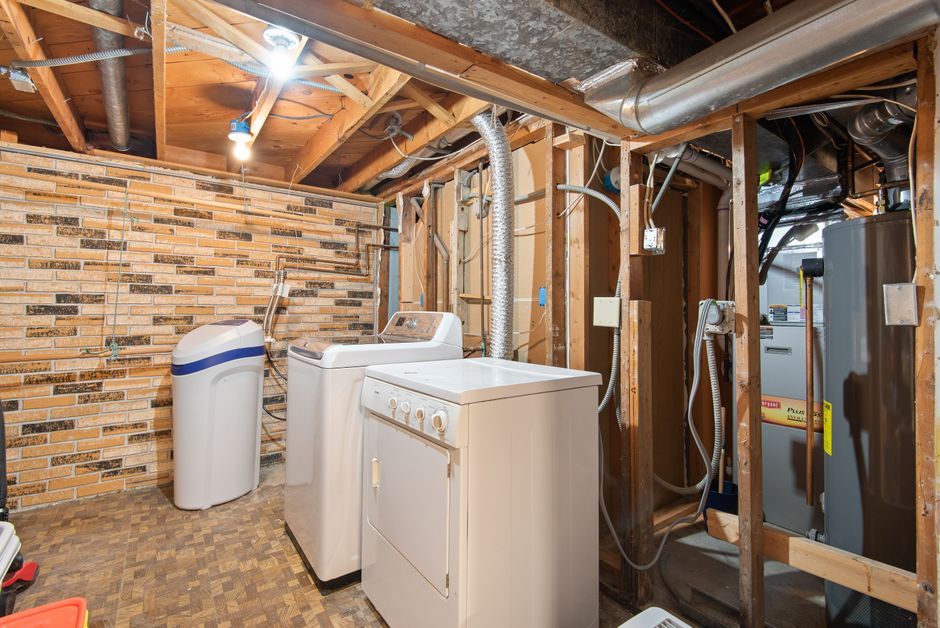
A water heater making noise — popping, rumbling, crackling, or a low banging that starts a few minutes into a hot-water draw and seems to come from deep inside the tank — is one of the most common and most misread plumbing complaints in the house. People hear it and imagine the tank is about to burst. In reality, a water heater making noise is almost always telling you something simple and fixable: sediment has built up on the bottom of the tank and water is trying to boil its way through it. Before you book a $200 plumber visit, give yourself 30 minutes. A water heater making noise is usually one of five things: a layer of hardened sediment trapping pockets of steam, a loose or failing heating element on an electric unit, a sticking temperature-and-pressure (T&P) valve, expansion noise from pipes that simply need securing, or scale on the element that crackles as it heats. Walk through the six checks below before you spend a dollar.
Why a water heater making noise is rarely a “replace the tank” problem
Plumbers hear this complaint constantly, and the cause breakdown is remarkably consistent. Roughly 50% of every “water heater making noise” call is sediment — minerals from hard water settle on the bottom of the tank, harden into a crusty layer, and trap water underneath. When the burner or lower element heats that trapped water, it flashes to steam and forces its way up through the sediment with a popping or rumbling sound, exactly like a kettle full of gravel. Another 15% is scale built up directly on an electric heating element, which crackles and sizzles as it heats. About 12% is a loose heating element or a failing element boiling water unevenly. About 10% is the temperature-and-pressure relief valve weeping or chattering. Around 8% is water-hammer-style banging in the pipes feeding the tank, not the tank itself. And only the final 5% is a genuine tank or burner failure that needs replacement. The math is friendly: roughly 95% of these calls are something a careful homeowner can resolve with a hose and an afternoon.
Tools you actually need
- A standard garden hose
- A flathead screwdriver and an adjustable wrench
- A bucket and a pair of work gloves (the water is scalding)
- A multimeter, if you have an electric unit and need to test an element
- A flashlight
- A gallon of white vinegar for descaling (optional)
Before you start — safety first: The water inside is hot enough to cause serious burns, and the steam noise can briefly raise pressure. For an electric water heater, switch off its dedicated breaker before touching any element or wiring. For a gas unit, turn the gas control knob to “Pilot” so the burner cannot fire while you work. Never cap, plug, or tighten the T&P valve to silence a water heater making noise — that valve is the tank’s last line of defense against a pressure explosion, and disabling it is genuinely dangerous. If you ever see active dripping or a puddle forming under the tank rather than just hearing noise, stop and read our water heater leaking walk-through first, because a leak is a different and more urgent problem than noise.
Step 1: Flush the sediment out of the tank
This is the single highest-payoff move for a water heater making noise, because sediment causes half of all cases. Turn off the heat source (breaker or gas to pilot), shut the cold-water inlet valve at the top of the tank, and connect a garden hose to the drain valve near the bottom. Run the hose to a floor drain or outside, open a hot tap somewhere in the house to break the vacuum, then open the drain valve and let the tank empty. The first water out is often cloudy and full of grit — that grit is exactly what was popping. Once it runs, briefly reopen the cold inlet in bursts to stir and rinse the remaining sediment off the bottom until the water runs clear. Close the drain, refill the tank fully (you will hear air sputter from the open hot tap until water flows steady), then restore the heat. A water heater making noise that goes quiet after a flush was never broken — it just needed cleaning, and doing this once a year keeps it silent.
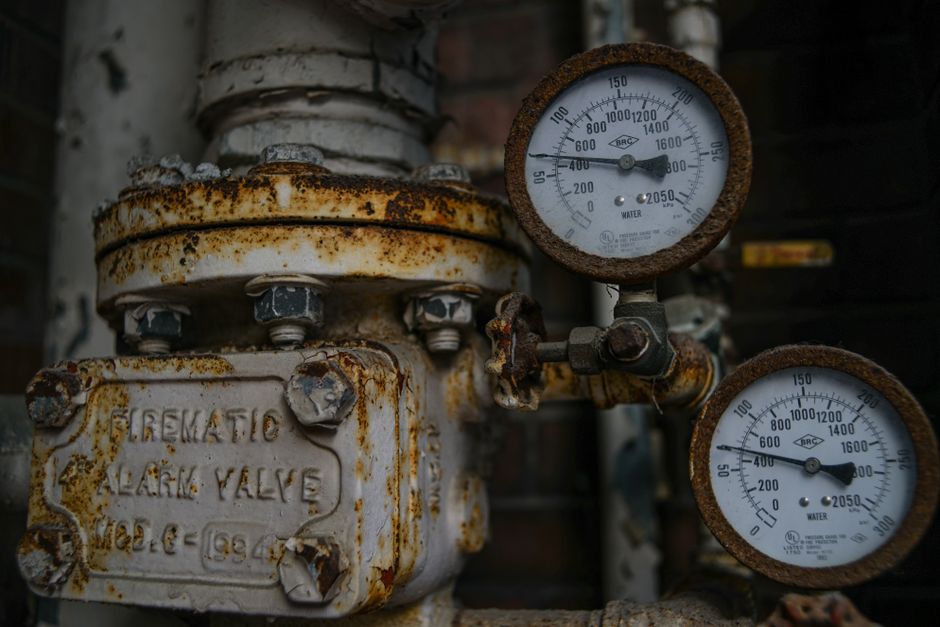
Step 2: Descale or test the heating elements (electric units)
If you have an electric water heater and a flush did not fully silence the crackling, scale on the elements is the next suspect. With the breaker off and the tank drained, remove the access panels on the side of the tank and unscrew the lower element. Scale looks like a chalky white crust caked on the metal; soak the element in white vinegar for an hour and the crust dissolves. While the element is out, test it with a multimeter set to continuity or resistance — a healthy element reads a steady resistance (typically 10 to 16 ohms), while an open reading means the element has burned out and is heating unevenly, which itself causes noise. Replacing an element is a $15 part and a 20-minute job once the tank is drained. A water heater making noise on an electric unit is very often nothing more than a scaled lower element doing its best to heat water through a crust.
Step 3: Inspect the temperature-and-pressure relief valve
A hissing, chattering, or intermittent ticking near the top of the tank often traces to the T&P valve, the brass safety valve with a lever on the side or top. It is designed to open if temperature or pressure climbs too high, and a valve that is weeping or partially stuck can chatter as it cycles. Place a bucket under the discharge tube, lift the lever gently for a second, and let it snap back — a healthy valve releases a burst of hot water and reseats cleanly. If it keeps dripping or hissing afterward, the valve is failing and should be replaced (a $15 part), but never plug or block it. Persistent T&P discharge can also mean the system pressure is too high, the same root issue behind the banging covered in our water hammer walk-through. The Consumer Product Safety Commission’s water heater guidance explains why the relief valve must always stay functional.
Step 4: Check the thermostat setting and temperature
A tank set too hot accelerates sediment hardening and drives more aggressive popping, so a water heater making noise is sometimes just a thermostat turned up too far. The Department of Energy recommends 120°F as the sweet spot for most homes — hot enough to kill bacteria and supply the house, cool enough to slow scale and prevent scald injuries. On a gas unit, the dial is on the gas control valve at the bottom; on an electric unit, the thermostats sit behind the access panels beside the elements. Set it to 120°F and give the tank a few hours to stabilize. Running cooler not only quiets the tank but extends its life and trims the bill. The Department of Energy’s water-heating guidance walks through the temperature trade-offs in detail. If your hot water also runs out fast or never gets hot, pair this with our no hot water diagnostic.
Step 5: Secure the pipes and rule out water hammer
Not every water heater making noise comes from inside the tank. A sharp banging or knocking that happens when a faucet or appliance valve shuts off is water hammer — a pressure shock traveling through the supply lines and rattling the pipes near the heater, not the heater itself. Run your hand along the hot and cold lines leaving the tank: if any sections are loose where they pass through joists or straps, that is where the bang resonates. Add cushioned pipe clamps or foam pipe insulation where lines touch framing, and the knock usually disappears. Expansion ticking — a gentle clicking as hot pipes grow and rub against wood — is harmless and quieted the same way. If the banging is severe and system-wide, the house may need a water-hammer arrestor or a pressure-reducing valve, but securing loose lines fixes the majority of cases and costs only a few dollars in clamps.
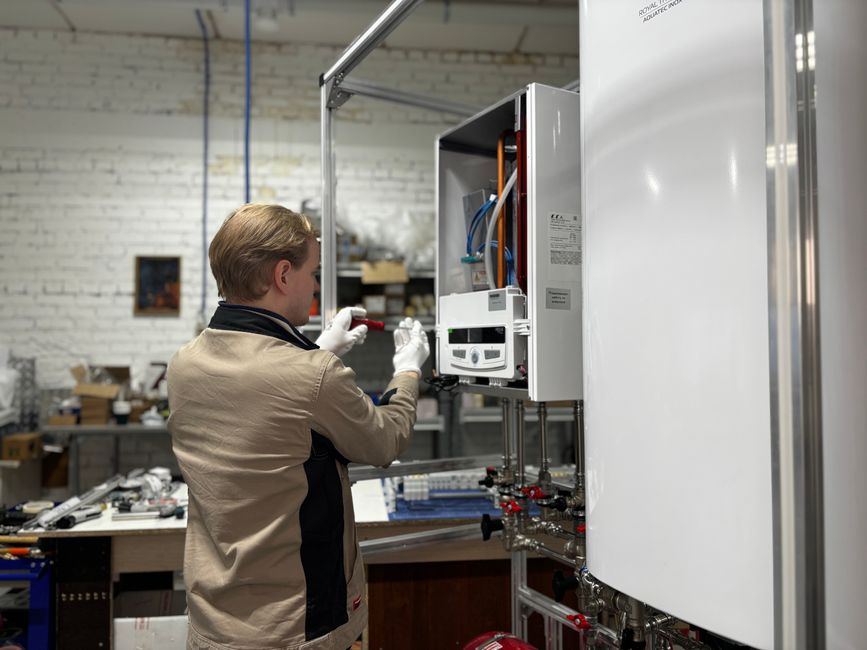
Step 6: When to actually call a plumber
Call a pro only if: you have flushed the tank, descaled or tested the elements, checked the T&P valve, set the thermostat to 120°F, and secured the pipes, yet a water heater making noise persists — that combination suggests a cracked dip tube, a failing burner assembly on a gas unit, or a tank so heavily scaled that flushing no longer reaches the buildup. Also call without delay if the noise is paired with any active leaking at the base, rusty or discolored hot water, a rotten-egg smell, or a tank older than 10 to 12 years, since at that age replacement often beats repair. And call immediately if the T&P valve discharges steam or large amounts of water repeatedly — that is a genuine pressure-safety issue, not a noise nuisance. For low-flow or pressure-related symptoms that show up alongside the noise, our low water pressure walk-through covers the supply side of the same system. The CPSC’s safety overview is worth a read before any work involving the relief valve or gas controls.
One last habit: flush the tank once a year, keep the thermostat at 120°F, and test the T&P valve every spring by lifting the lever for a second. Sediment is the root cause of most water-heater noise, and a yearly flush keeps the bottom of the tank clean enough that it never gets a chance to pop. Do those three things and “water heater making noise” stops being your problem before it ever starts. The cheapest repair is the one you prevent.

Marcus Reed is coverhub.fun’s lead contributor on home plumbing and water-system repair. Drawing on more than a decade of hands-on residential service work — supply lines, drains, fixtures, and the kind of emergency leaks that wake a family up at 2 a.m. — Marcus translates the diagnostic playbook that professionals run on every call into language a homeowner can follow at the kitchen sink. His guides walk through the safe, fast checks worth doing before you reach for the phone, plus the exact red flags that mean it really is time to bring in a licensed plumber.
He focuses on the high-cost emergencies that most often catch people unprepared: burst pipes, running toilets that quietly inflate water bills, kitchen drains that back up at the worst time, and shut-off valves no one can find when water is already on the floor. Every guide is written from a ‘try this first’ mindset, with clear safety stops along the way.
Marcus is also the editorial fact-checker for coverhub.fun’s plumbing category. If you have a fix that worked at your house and isn’t covered yet, or a correction on something that is, email editorial@coverhub.fun and he’ll take a look.