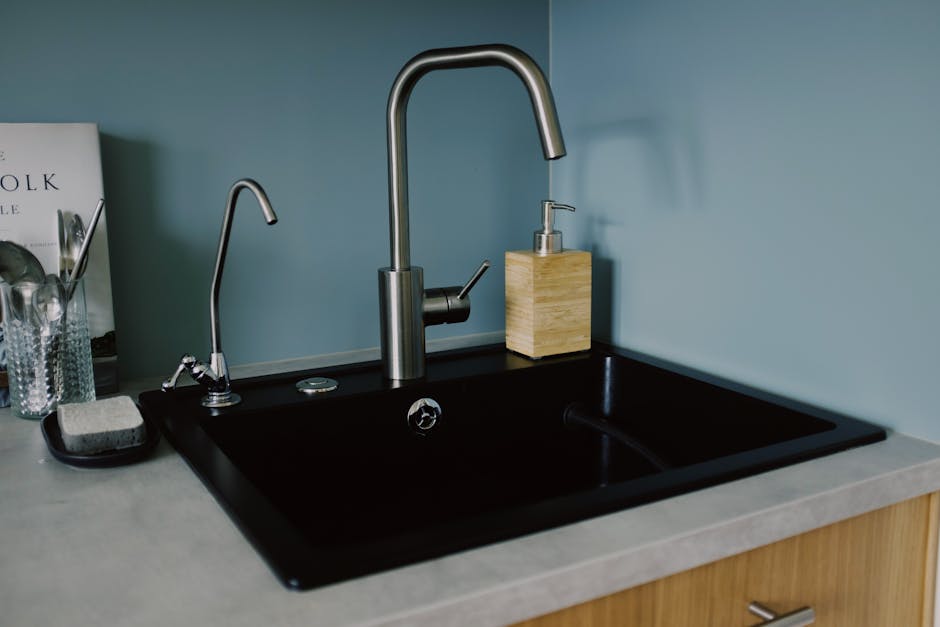
A clogged drain is the most annoying problem in any house — the sink fills up, the water creeps backward, the smell starts within hours, and your first instinct is to call a plumber and brace for a $150 minimum service fee. Don’t. The vast majority of a clogged drain in a kitchen sink, bathroom sink, shower, or tub is hair, grease, soap scum, or food debris sitting in the first 18 inches of pipe — a section any homeowner can clear in 15 minutes with tools you already own. Walk through the six steps below in order and you’ll fix at least 8 out of 10 slow-running drains without spending a dollar.
Why a clogged drain is almost always a DIY job
Plumbers will tell you the call breakdown is consistent: roughly 45% of every clogged drain they’re called for is a hair-and-soap mass within arm’s reach of the stopper, 25% is grease and food sludge in the kitchen P-trap, 15% is a fouled pop-up stopper or mesh strainer that just needs cleaning, 10% is a deeper line clog that a $25 hand auger can reach, and only the final 5% is a mainline or sewer issue that genuinely needs a professional with a motorized snake or camera. The earlier you act, the easier it is — a drain that’s “slow” today is a drain that takes 10 minutes to clear; a drain you’ve ignored for two weeks is a Saturday afternoon project.
Tools you actually need
- A cup plunger (the flat-bottomed kind, not a toilet flange plunger)
- A bucket to catch trap water
- Channel-lock pliers or a basin wrench
- A $5 plastic zip-it drain stick
- A 25-foot hand-crank drum auger ($25 at any hardware store)
- Baking soda, white vinegar, and a kettle of near-boiling water
- Rubber gloves — trust us
Step 1: Pull the stopper and clear the obvious hair mat
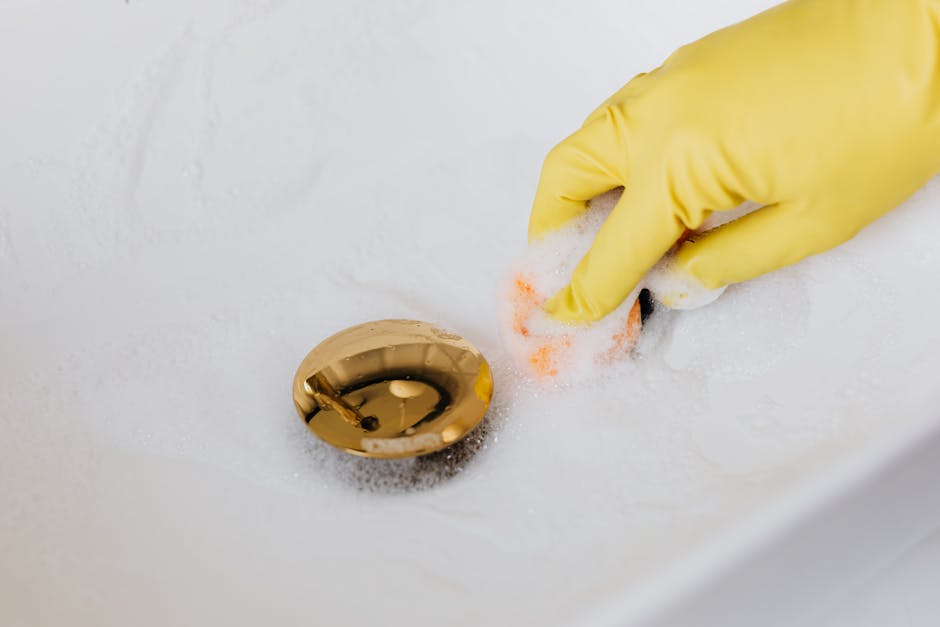
Bathroom sinks and tubs cause a clogged drain 90% of the time because of one thing: a hair-and-soap-scum dreadlock wrapped around the stopper crossbar two inches below the surface. On most bathroom sinks the pop-up stopper lifts straight out once you unscrew the pivot rod nut behind the drain tail piece. On a tub, the lift-and-turn or toe-touch stopper unscrews counter-clockwise. Pull it. You’ll see the problem instantly. Wipe the gunk into the trash (never back down the drain), run a $5 zip-it strip down a few inches, hook anything else out, and reinstall. Run hot water for 60 seconds. If the drain flows, you’re done.
Step 2: Plunge it properly (most people do this wrong)
A cup plunger only works if you create a real seal and fill the basin with two inches of water so the plunger pushes water, not air. Block the overflow hole on a bathroom sink with a wet rag — otherwise pressure escapes there instead of going down the pipe. Coat the rim of the plunger with petroleum jelly for a tight seal, press straight down, and then pump aggressively 15 to 20 times without breaking the seal. Yank up on the final stroke. If the water suddenly drops, you’ve shifted the clog. Repeat once more, then run hot water. A double-sink kitchen needs both drains covered — jam a wet rag in the second one or the pressure goes nowhere.
Step 3: Open the P-trap (the 10-minute fix that solves most kitchen clogs)
This is the single highest-payoff move for a kitchen clogged drain. The P-trap is the U-shaped pipe under the sink, held in place by two plastic slip nuts you can usually loosen by hand. Put a bucket directly under it — it’s full of water and grease — and unscrew both nuts. The trap drops down with a foul-smelling cake of solidified grease, coffee grounds, and food bits inside. Scrape it into the trash (never down a different drain), rinse the trap and both arms with hot water, and reinstall. Tighten the slip nuts hand-tight plus a quarter-turn with pliers. Run water. If it flows, you’ve just saved $150. This is the same principle behind clearing a dishwasher that won’t drain and the same procedure used when resetting a stuck garbage disposal.
Step 4: Baking soda, vinegar, and a kettle — for a clogged drain that’s only slow
For a drain that’s slow but not fully blocked, skip the caustic chemical drain cleaners. They eat your pipe gaskets, they don’t work on hair, and the EPA’s Safer Choice program specifically flags concentrated lye-based drain openers as among the most dangerous consumer chemicals in a household. Instead: pour a cup of baking soda down the drain, follow with a cup of plain white vinegar, plug the drain for 10 minutes while it foams, then chase with a full kettle of near-boiling water (skip boiling water on PVC — hot tap water is plenty). The foaming action dislodges soap scum and emulsifies grease without harming pipes, and a slow clogged drain usually clears completely in one cycle.
Step 5: Snake the line with a $25 hand auger
If steps 1 to 4 didn’t shift it, the clog is deeper than the P-trap — in the horizontal arm running back to the wall stack. A 25-foot hand-crank drum auger from any hardware store will reach it. Feed the cable into the drain (or directly into the trap arm after removing the trap), crank slowly while pushing forward, and stop the moment you feel resistance. Crank another six to ten turns to chew through the obstruction, then withdraw the cable slowly — it’ll come out coated in the gunk that was blocking your line. Reinstall everything, run hot water for two minutes, and confirm full flow. Family Handyman has an excellent illustrated walkthrough if this is your first time using an auger.
Step 6: When to actually call a plumber
Call a professional only if: multiple fixtures back up at the same time (toilet gurgles when the washer drains, for example — that’s a mainline issue), sewage smell rises from floor drains, or you hear gurgling from a vent stack on the roof. Those are the signals for a powered drain machine and a sewer-line camera, not a DIY job. Everything else — the slow bathroom sink, the kitchen sink that backs up after dishes, the tub with the hair mat, the bathroom drain that smells — is solidly a homeowner fix. Pair this drain habit with a quick low-water-pressure check twice a year and you’ll keep your plumbing budget close to zero.
One last note: a clogged drain is preventable. A $2 mesh hair catcher on every shower and bathroom sink, a “never pour grease down the kitchen drain” rule, and a 30-second hot-water flush once a week will keep every drain in your house running fast for years. The best clogged drain is the one you stopped before it started.

Marcus Reed is coverhub.fun’s lead contributor on home plumbing and water-system repair. Drawing on more than a decade of hands-on residential service work — supply lines, drains, fixtures, and the kind of emergency leaks that wake a family up at 2 a.m. — Marcus translates the diagnostic playbook that professionals run on every call into language a homeowner can follow at the kitchen sink. His guides walk through the safe, fast checks worth doing before you reach for the phone, plus the exact red flags that mean it really is time to bring in a licensed plumber.
He focuses on the high-cost emergencies that most often catch people unprepared: burst pipes, running toilets that quietly inflate water bills, kitchen drains that back up at the worst time, and shut-off valves no one can find when water is already on the floor. Every guide is written from a ‘try this first’ mindset, with clear safety stops along the way.
Marcus is also the editorial fact-checker for coverhub.fun’s plumbing category. If you have a fix that worked at your house and isn’t covered yet, or a correction on something that is, email editorial@coverhub.fun and he’ll take a look.