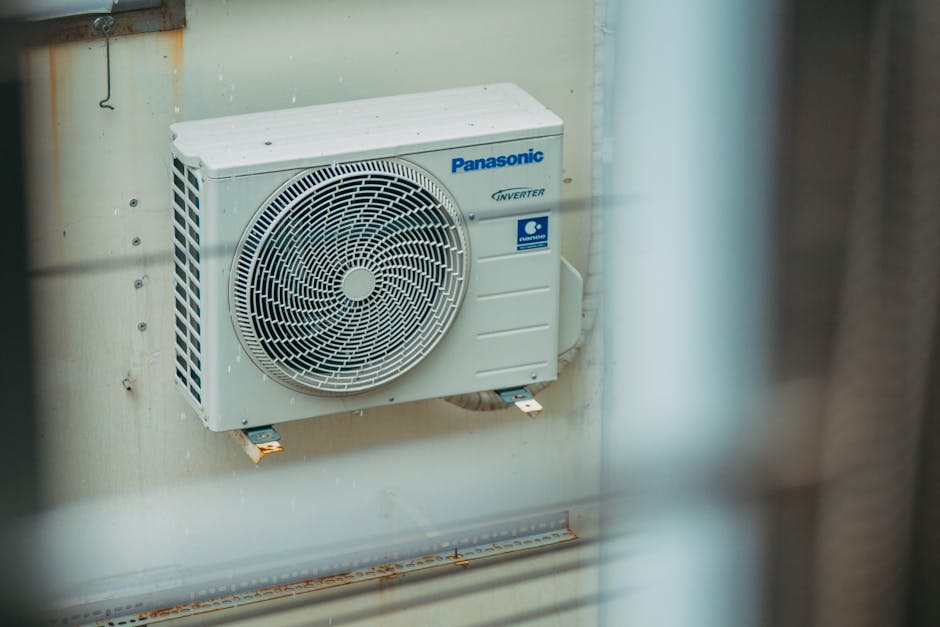
An AC drain line clogged with algae and slime — you find a pool of water under the indoor air handler, a damp patch growing across the ceiling below the attic, or the system shutting itself off and refusing to restart — is the single most common summer HVAC service call in any humid U.S. climate, and one of the easiest to fix yourself in under 30 minutes. The condensate line is a short PVC pipe carrying the water your air conditioner pulls out of the air to a drain outside. It is open to warm, dark, wet air on both ends, and over a season it grows a biofilm of algae and mold that eventually plugs it solid. When that happens the water has nowhere to go, the drain pan fills, and the float switch trips the entire system off. Before you book a $180 HVAC service call, give yourself 30 minutes. An AC drain line clogged is almost always one of four things: an algae plug at the exterior outlet, a slime layer inside the trap, a disconnected line at the air handler, or a tripped float switch that needs resetting once the line is clear. Walk through the five checks below.
Why an AC drain line clogged is almost never a “system failure”
HVAC technicians who keep honest service logs report that roughly 60% of every “AC won’t turn on” call in July and August in the South is a single problem: an AC drain line clogged at the trap or at the exterior termination. The diagnostic is almost embarrassingly simple. A central air conditioner pulls 5 to 20 gallons of water a day out of the indoor air, depending on humidity, and that water leaves the building through a 3/4-inch PVC pipe sloped to drain by gravity. The pipe runs warm, wet, and dark all summer — ideal conditions for a slimy biofilm of pink and black algae to colonize the inner walls. By mid-July that biofilm has thickened enough to choke the flow; one strong condensation cycle then fills the drain pan past the float-switch trip point, and the thermostat goes dark. Owners assume the compressor died or the board failed; in reality the system is doing exactly the safety shutoff it was designed to do. Once you clear the line, the system restarts on its own. About 5% of these calls are a genuine pump or board failure — the other 95% are 20 minutes of work.
Tools you actually need
- A wet/dry shop vacuum (any size, with the foam filter installed)
- A roll of duct tape or a rubber adapter
- A funnel and a quart of distilled white vinegar
- A flashlight
- A microfiber towel and a small bucket
- A garden hose (only if the line is fully blocked and the shop-vac alone won’t pull through)
Before you start: turn the entire HVAC system off at the thermostat AND at the indoor disconnect switch next to the air handler. You do not want the unit kicking on while you have the trap open and water on the floor. If the thermostat is completely dark and won’t respond at all, that is the float switch doing its job — it cut the 24-volt control circuit when the pan filled. The thermostat will come back to life on its own the moment you drain the pan and clear the line. If it stays dark even after the line is clear, the diagnostic moves over to the control-side checks in our thermostat not working walk-through.
Step 1: Find both ends of the condensate line
Walk to your indoor air handler — in most U.S. homes that’s a vertical or horizontal unit in the attic, basement, garage, or a dedicated closet. Find the white 3/4-inch PVC pipe leaving the secondary drain pan or the primary trap on the side of the air handler. Trace it as far as you can; in most installations it exits the building through an exterior wall and terminates in open air, often above a flower bed, against a foundation, or beside the outdoor condenser. That outdoor end is the one you’ll attach the shop vac to. The indoor end is where the trap and a cleanout tee live — a vertical pipe with a removable cap, sometimes a tee fitting with a threaded plug. An AC drain line clogged badly enough to trip the float almost always reveals itself the moment you remove the cleanout cap: water will be standing right at the rim. If the cap pops off bone-dry, the clog is downstream of the cleanout and the shop-vac approach from outside will clear it in seconds.
Step 2: Vacuum the line from the exterior end
Take the shop vac to the outdoor termination of the drain line. Press the vac hose firmly over the open pipe end and seal the gap with duct tape or a rubber adapter so you get full suction — this is the move that pulls the algae plug out as a single slimy slug. Run the vacuum for 60 to 90 seconds. You will hear the sound change from a high empty whoosh to a deeper gurgle the moment water starts moving through; that’s the line clearing. Pull the vac off and check the canister — you’ll see a cup or two of cloudy water and a stringy pink or black biofilm slug. That is exactly what was blocking your AC drain line clogged with algae. About 75% of these calls are done at this single step, and the float switch resets itself within seconds of the pan draining.
Step 3: Flush the line with vinegar from the cleanout
Once the line drains and the pan empties, walk back inside and open the cleanout cap above the trap. Hold a microfiber towel under the opening to catch splash, then pour in 1 cup of plain white vinegar through a funnel. The vinegar travels the length of the line, kills the residual biofilm, and discourages regrowth for several weeks. Cap it back. Repeat this vinegar pour every 30 days through cooling season — a single ongoing habit that drops your odds of a midsummer outage by about 80%. Some installers prefer a 50/50 bleach/water mix; vinegar is gentler on the PVC cement and just as effective in the volumes you’re using, and it doesn’t damage the metal evaporator pan if a few drops fall back. The same monthly-flush habit pairs perfectly with checking the air filter and verifying the outdoor coil is unobstructed, both of which are covered in our AC not cooling walk-through.
Step 4: Reset the float switch and restore power
Most modern air handlers carry a small plastic float switch — either inline on the drain line or floating in the secondary pan — that opens the 24-volt control circuit the moment the pan fills past a safe level. When the pan drains, the float drops back, the switch closes, and the system comes back to life on its own. If yours is the older inline style, you may need to manually press the test/reset button on the switch body once the line is clear. Flip the indoor disconnect back on, return to the thermostat, and you should see the display come up within a few seconds. Drop the setpoint a couple of degrees and listen for the indoor blower and outdoor condenser to start within their normal staged delay. If you get full cold air flowing at the vents within five minutes, the diagnosis is closed — an AC drain line clogged with algae, cleared, system restored, $180 saved.
Step 5: When to actually call a tech
Call a pro only if: you’ve vacuumed the line, the pan is empty, the float switch has reset, and the system still refuses to start — that combination points to a tripped condensate-overflow safety on a secondary pan, a failed transformer on the control board, or a clogged primary trap that the shop vac couldn’t pull through (sometimes a rag or rodent debris has gotten into the line and physical disassembly of the trap is required). Also call if water has been pooling in the attic long enough to stain the ceiling below — a tech can inspect the secondary pan and recommend whether the drywall above the stain is still structurally sound. If the system runs but won’t produce cool air at all once the line is clear, the issue has moved off the drain side entirely and into the refrigerant/airflow side covered by our furnace airflow walk-through (the indoor blower and ductwork apply identically in cooling mode). The Department of Energy’s central-AC maintenance guide goes deeper on seasonal-prep timing, including when to schedule a paid inspection vs. handle it yourself.
One last habit: pour a cup of vinegar down the cleanout every 30 days during cooling season, change the air filter every 60 to 90 days, and verify the exterior drain-line termination is clear of mulch, leaves, or yard-trimming debris every spring. Those three rules together will keep an AC drain line clogged out of your summer for the next decade and let you forget the condensate system exists, which is exactly where it belongs. The cheapest service call is the one you never have to make. For deeper context on the EPA’s view of indoor moisture, biological growth, and HVAC condensate management in residential systems, the EPA mold course is a worthwhile bookmark.

Elena Park covers home electrical and HVAC topics for coverhub.fun. Her background in residential electrical service work — outlets, breakers, GFCIs, central air conditioning, and the steady stream of small failures that send most homeowners straight to a service tech — shapes the way her guides are written: figure out what’s actually wrong first, then decide whether you’re looking at a $0 reset or a real repair.
Elena focuses on the service calls that most often turn out to be DIY-safe: a single dead outlet that’s really a tripped GFCI two rooms over, a thermostat that’s reading wrong, a clogged AC condensate line, or a frozen evaporator coil masquerading as a dying compressor. She’s just as clear-eyed about the work that does not belong in a homeowner’s hands — anything inside the main electrical panel, any sustained burning smell, any breaker that won’t stay reset.
Each piece on her byline gets a final safety pass before publishing. Suggestions, corrections, and reader questions are welcome at editorial@coverhub.fun.