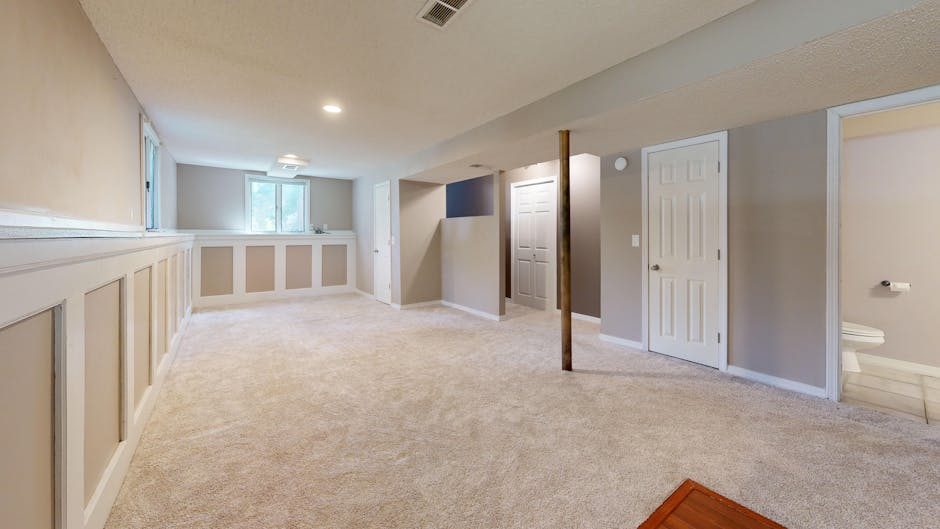
A sump pump not working during a heavy storm is the kind of plumbing failure that turns a finished basement into a $20,000 insurance claim in under two hours. The good news: a sump pump not working is almost never a catastrophic motor failure. In nine cases out of ten it’s a stuck float switch, a tripped GFCI outlet, a clogged discharge pipe, a check valve installed backwards, or a frozen exit line outside the house — all of which a homeowner can diagnose with a flashlight, a bucket of water, and 20 minutes. Walk through the seven steps below the moment you hear silence from your sump pit during rain.
Why a sump pump not working is almost always a $0 fix
Plumbers and waterproofing techs see this call most heavily in spring and during fall storms, and the breakdown looks like this: roughly 35% of every sump pump not working complaint is a float switch stuck against the side of the pit or tangled on the power cord. About 20% is a tripped GFCI outlet or a switched outlet the homeowner accidentally turned off. Another 15% is a clogged inlet screen at the bottom of the pump pulling in pebbles and silt. About 10% is a discharge pipe frozen, blocked, or pinched outside the house. Around 10% is a check valve installed upside-down so the pump pumps water in a loop. And only the final 10% is a genuinely dead motor that needs a $130 replacement pump. So: most of the time, you don’t even need a new part.
Tools you actually need
- A flashlight or headlamp
- Heavy rubber gloves — sump pits are foul
- A 5-gallon bucket of water (you’ll use this to test the float)
- A wet/dry shop vacuum for any standing water in the pit
- A screwdriver and channel-lock pliers
- A non-contact voltage tester ($10) to confirm the outlet is hot
Step 1: Confirm the pump has power
Walk to the sump pit. Is the pump plugged into a working outlet? Most basement outlets near water are GFCI-protected, and a sump pump not working call is sometimes nothing but a tripped GFCI. Press the RESET button on the outlet itself (or on the upstream GFCI in the laundry room or panel). If the outlet is dead, check the breaker. While you’re there, ensure the cord is plugged in fully — vibration from years of pumping can walk a plug halfway out of an outlet. The same kind of “is it actually getting voltage” check we walk through for a dead outlet applies here perfectly.
Step 2: Free the float switch — the single most common fix
The float switch is the bobber-shaped or tethered piece that rises with the water level and triggers the motor. Over time, two things happen: the float wedges itself against the wall of the pit because the pump has shifted slightly, or the power cord gets tangled around the float arm and prevents it from rising freely. With gloves on, reach into the pit and gently lift the float by hand. The pump should kick on immediately. If it does, your sump pump not working diagnosis is finished — reposition the pump so the float has clear travel, untangle the cord, and consider a $40 vertical float upgrade kit if the issue keeps repeating. Pour a bucket of water in to confirm the float triggers on its own.
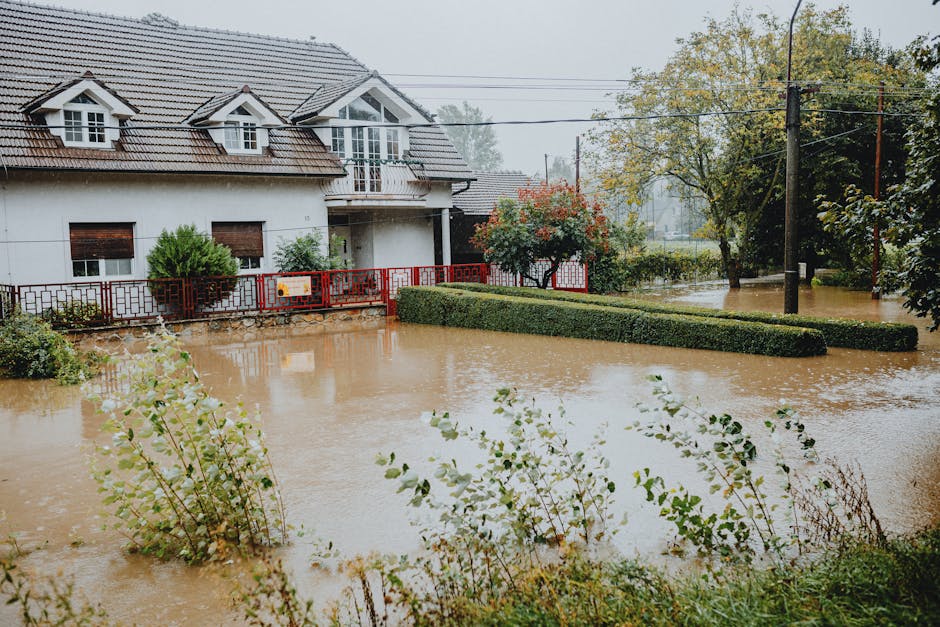
Step 3: Clean the inlet screen and the pit itself
Unplug the pump (always unplug before reaching deep). Lift the pump out by the handle — do not lift by the cord or the discharge pipe. Flip it over and look at the inlet screen at the bottom: it’s almost always packed with silt, pea gravel, pebbles, lint from the laundry line, and sometimes leaves that got washed in from the perimeter drain. Rinse it with a garden hose into a bucket (never back into the pit). While the pump is out, shop-vac the pit floor down to bare concrete — a quarter inch of sludge in the pit will choke any pump on its next run. FEMA’s grade-and-drainage homeowner guide recommends this cleanout twice a year minimum.
Step 4: Check the check valve and discharge pipe
The check valve is a one-way flapper on the vertical discharge pipe right above the pump. If it’s installed backwards (it happens more than you’d think after a DIY install) the pump pushes water up, the water falls right back into the pit, and the float rises again immediately — the pump runs constantly without ever lowering the level. Look for the arrow on the valve body; it must point UP, away from the pump. If it’s wrong, flip it. Then trace the discharge pipe all the way to where it exits the house. Step outside. Is the exit clogged with leaves, mulch, ice, a wasp nest, or buried under a flower bed the previous owner installed? Clear it. A sump pump not working because its outlet is plugged is one of the saddest, easiest fixes.
Step 5: Test the pump by manually flooding the pit
Plug the pump back in. Pour a 5-gallon bucket of water straight into the pit. The float should rise, the pump should kick on within a second or two, and you should hear water rushing through the discharge pipe. Listen for: (1) a healthy whir followed by silence as the pit empties, (2) a buzzing sound with no water movement (impeller jammed — unplug, lift out, check the impeller for debris), (3) the motor running but cycling on and off rapidly (failing float switch or undersized pit). If the pump empties the bucket of water in under 30 seconds and stops cleanly, your sump pump not working complaint is officially resolved.

Step 6: A sump pump not working in winter usually means a frozen discharge line
In northern climates, the single most overlooked cause of a sump pump not working in February is the discharge line freezing solid outside the house. The pump pushes water up, hits the ice plug, can’t get it out, and the motor either burns up or trips its thermal overload. The fix: install an IceGuard or similar freeze-protection coupling on the exit line so water has a secondary escape route if the main line freezes. It’s a $15 part and a 10-minute install with a hacksaw and two stainless hose clamps. Aim the discharge water at least 10 feet from the foundation — closer than that and the water just re-enters the pit on its next cycle. Ready.gov’s flood-preparedness guidance recommends checking discharge routes before every storm season.
Step 7: When to actually replace the pump
Buy a new pump only if: it hums or buzzes without moving water (seized impeller you can’t free), it trips the breaker every time it cycles (winding short), or it’s more than 7 to 10 years old — sump pumps wear out on a known curve and a 10-year-old unit is on borrowed time. A 1/3 horsepower replacement is $120 to $160 at any big box store and installs in under an hour: unplug, disconnect the discharge union, lift out, drop new pump in, reconnect, plug in. Add a battery backup pump for $200 if you’re on a slab where a single power outage would flood your basement — storms knock out power and pumps stop at the same time. Pair this routine with the same urgency we treat a burst pipe and the same diagnostic flow as a water heater with no hot water — basement water emergencies all follow the same first ten minutes.
One last habit: dump a 5-gallon bucket of water into the pit every March and every September. That’s it. A 20-second test twice a year is the difference between catching a sump pump not working at lunch on a sunny Tuesday and discovering it at 2 a.m. during the storm of the decade.

Marcus Reed is coverhub.fun’s lead contributor on home plumbing and water-system repair. Drawing on more than a decade of hands-on residential service work — supply lines, drains, fixtures, and the kind of emergency leaks that wake a family up at 2 a.m. — Marcus translates the diagnostic playbook that professionals run on every call into language a homeowner can follow at the kitchen sink. His guides walk through the safe, fast checks worth doing before you reach for the phone, plus the exact red flags that mean it really is time to bring in a licensed plumber.
He focuses on the high-cost emergencies that most often catch people unprepared: burst pipes, running toilets that quietly inflate water bills, kitchen drains that back up at the worst time, and shut-off valves no one can find when water is already on the floor. Every guide is written from a ‘try this first’ mindset, with clear safety stops along the way.
Marcus is also the editorial fact-checker for coverhub.fun’s plumbing category. If you have a fix that worked at your house and isn’t covered yet, or a correction on something that is, email editorial@coverhub.fun and he’ll take a look.