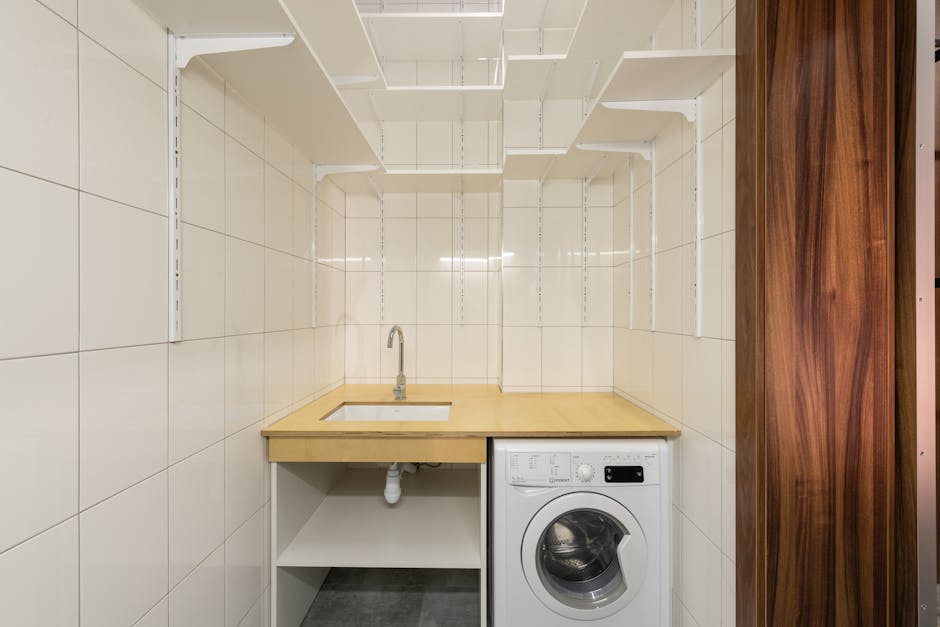
A dryer not spinning — you press start, you hear the machine hum or click, the light comes on, maybe you even feel warm air, but the drum just sits there and your clothes come out soaked and tangled — is one of the most alarming-sounding laundry failures and one of the most over-charged repair calls in the house. Most people assume the motor is dead or the machine is finished. In reality, a dryer not spinning is almost always one cheap, accessible part doing exactly what a worn part does. Before you book a $150 appliance service call, give yourself 30 minutes. A dryer not spinning is usually one of five things: a tripped door switch that thinks the door is open, a snapped or stretched drive belt, a failed thermal fuse cutting power to the motor circuit, a seized idler pulley or support roller, or a start switch that energizes the heater but not the motor. Walk through the six checks below before you spend a dollar.
Why a dryer not spinning is rarely a “replace the appliance” problem
Appliance techs see this complaint week in and week out, and the failure breakdown is remarkably consistent across brands. Roughly 35% of every “dryer not spinning” service call is a broken drive belt — a thin rubber band that wraps the drum and the motor pulley, and after years of heat cycling it cracks and snaps, so the motor spins freely while the drum stays dead still. Another 20% is a door switch that no longer registers the door as closed; the dryer’s safety logic refuses to turn the drum if it thinks the door is open. About 15% is a blown thermal fuse — a one-time safety device that opens when the dryer overheats (almost always because of a clogged vent) and kills the motor circuit. About 12% is a worn idler pulley or seized support roller that binds the belt or drum so the motor cannot overcome the friction. Around 10% is a faulty start or centrifugal switch that powers the heating element but never engages the motor windings. And only the final 8% is a genuinely failed drive motor. The math is friendly: more than 90% of these calls are something a careful homeowner can diagnose and often fix with $10 to $40 in parts.
Tools you actually need
- A Phillips screwdriver and a 1/4-inch nut driver
- A multimeter for continuity testing ($15)
- A putty knife or stiff plastic spudger to pop the top panel clips
- A flashlight
- A replacement drive belt for your model number (often under $15)
- A vacuum with a crevice tool
Before you start — safety first: Always unplug the dryer at the wall before you open any panel, and for a gas dryer also close the gas shutoff valve behind it. A dryer not spinning can tempt you to “just peek inside while it runs,” but the drum, belt, and exposed terminals are dangerous with power applied. If your dryer is electric and dead with no lights at all, confirm power first — an electric dryer runs on a 240-volt circuit, and a half-tripped double breaker can leave the control board lit while the motor circuit is dead. Our circuit breaker walk-through covers how to fully reset a tripped double-pole breaker before you assume the dryer itself is at fault.
Step 1: Test the door switch and door latch
This is the highest-payoff first move because it costs nothing to check and fixes one in five cases. Open the dryer door and find the small push-button switch or magnetic sensor in the door frame. Press it firmly with your finger while the dryer is set to a normal cycle and the door is otherwise closed — many models will click or start. Look at the strike on the door that presses this switch: if it is cracked, loose, or worn, the switch never fully engages and the dryer reads the door as open, so the drum refuses to turn. Listen for the click when you close the door normally; no click usually means a dead switch. A door switch is a $10 to $20 part and a 15-minute swap. If a dryer not spinning turns out to be nothing more than a 20-cent contact that stopped clicking, you have just saved a full service call.
Step 2: Check for a broken drive belt
This is the single most common cause of a dryer not spinning, so it deserves a careful look. Unplug the unit, then reach in and try to turn the drum by hand. A healthy belt offers firm resistance — you feel the motor pulley fighting you. If the drum spins with almost no resistance and flops freely, the belt is snapped. To confirm, pop the top panel (slide a putty knife under the front corners to release the spring clips) or remove the front panel per your model, and look for the thin belt lying loose in the bottom of the cabinet. Replacing it means routing the new belt around the drum and threading it in a figure pattern around the motor pulley and idler — a 30-to-45-minute job with a $15 part and a video for your exact model. A dryer not spinning because of a snapped belt is the most satisfying fix on this list because the part is cheap and the result is instant.
Step 3: Inspect the thermal fuse and clean the vent
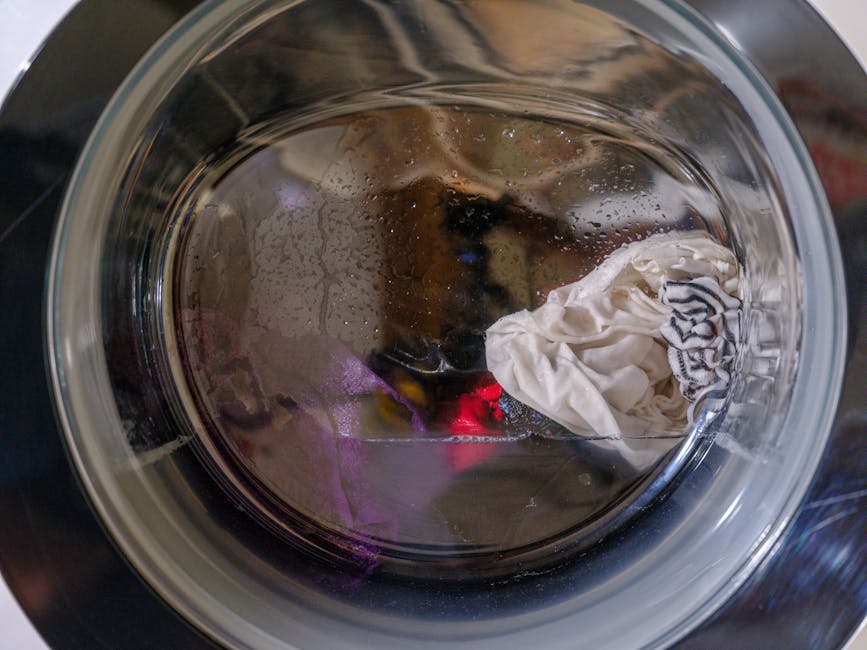
If the dryer is completely dead — no drum, no heat, no response — but it still has power at the outlet, suspect the thermal fuse. This is a small safety device, usually mounted on the blower housing or exhaust duct, that blows permanently when the dryer overheats. On many models a blown thermal fuse cuts the motor circuit entirely. Unplug the dryer, locate the fuse, and test it with a multimeter set to continuity: a good fuse beeps (closed circuit), a blown one reads open. Replace it with the exact part for your model (under $10). Critically, a thermal fuse blows for a reason — almost always a clogged exhaust vent trapping heat. Vacuum the lint trap housing and clear the full vent run to the outside before you trust the new fuse. A restricted vent that overheats the dryer is the same root cause behind a dryer that takes too long to dry, so clearing it now solves two problems at once and removes a genuine fire hazard. The U.S. Fire Administration’s dryer safety guidance explains why lint buildup is the leading cause of dryer fires.
Step 4: Examine the idler pulley and support rollers
If the belt is intact but the dryer not spinning problem persists — the motor hums and strains but the drum barely moves or grinds — the friction parts are worn. With the cabinet open, spin the idler pulley (the spring-loaded wheel that tensions the belt) by hand: it should turn smoothly and silently. A pulley that wobbles, squeals, or resists is dragging the belt to a stop. Next check the drum support rollers at the rear and front of the drum; over years they flatten, seize, or fill with lint, and a seized roller can stall the drum even with a healthy motor and belt. Both parts are inexpensive ($10 to $25 a set) and replaced with the belt off. A dryer not spinning that smells faintly of hot rubber is almost always a belt slipping over a seized pulley — replace the pulley and the belt together so you are not back inside the cabinet next month.
Step 5: Test the start switch and reset the motor
If the dryer heats and the control panel lights but you hear only a faint hum with no drum movement when you press start, the issue is in the start switch or the motor’s centrifugal switch. First, try the simplest reset: unplug the dryer for five full minutes to let the motor’s thermal overload protector cool and reset — an overheated motor will refuse to start until it cools, and people replace good motors over this all the time. After it cools, plug in and try once. If it still only hums, the push-to-start switch may not be sending the motor signal, or the centrifugal switch on the motor has failed. Test the start switch for continuity when pressed; replace if open. A humming motor that never turns the drum, with a confirmed-good belt and free pulleys, is the one case where a dryer not spinning may genuinely be the motor — but rule out the cheap switches first, because they fail far more often than motors do. The diagnostic logic here mirrors the motor-versus-control split we use in our washer not draining walk-through.

Step 6: When to actually call an appliance repair tech
Call a pro only if: the door switch clicks, the belt is intact, the thermal fuse has continuity, the pulley and rollers spin freely, and the start switch tests good, yet a dryer not spinning still persists — that combination points to a failed drive motor (a $150 to $250 repair) or a control board fault. Also call, without hesitation, if you smell burning insulation or see scorching around the motor terminals, if a gas dryer makes the drum stall and you are not comfortable working near the gas valve, or if the dryer is more than 12 years old and the motor has failed — at that age a $300 board-plus-motor repair often costs more than the machine is worth, and replacement is the smarter call. For any work that involves the 240-volt circuit or the gas supply rather than the dryer’s internal parts, bring in a licensed appliance tech or, for the heat side, follow our dryer not heating diagnostic first, since heat and motor faults often share a power-supply root cause. The Department of Energy’s laundry guidance is a good reference on safe operation and maintenance intervals.
One last habit: clean the lint screen every single load, vacuum the lint housing every few months, and clear the full exhaust vent to the outside at least once a year. Most belts, fuses, and motors that fail early die because a clogged vent cooked them — keep the air moving and the same parts last a decade. Do those three things and “dryer not spinning” stops being your problem before it ever starts. The cheapest repair is the one you prevent.
Aiden Brooks writes coverhub.fun’s home-appliance coverage, with a focus on the everyday breakdowns that prompt a $200–$300 service call when a no-cost fix would have worked just as well. His background in residential appliance service shows up in the structure of his guides: open with the failure pattern, walk through the cheapest checks first, and only get to parts replacement after every easy win has been ruled out.
Aiden focuses on dishwashers, garbage disposals, washing machines, dryers, and refrigerators — the workhorses that quietly drain household budgets when they go sideways. His recurring theme is that most ‘broken appliance’ verdicts are really a clogged filter, a kinked drain hose, a tripped thermal switch, or a piece of glass jammed in an impeller that sixty seconds with a flashlight can find. When a unit really is at end of life, he’ll tell you that too — and what to look for in a replacement.
Aiden also runs the appliance-safety editorial pass at coverhub.fun: every guide on his byline is reviewed against manufacturer safety guidance before going live. Reach him at editorial@coverhub.fun.